
Top Signs Your Water Heater Is About to Fail
April 9, 2026
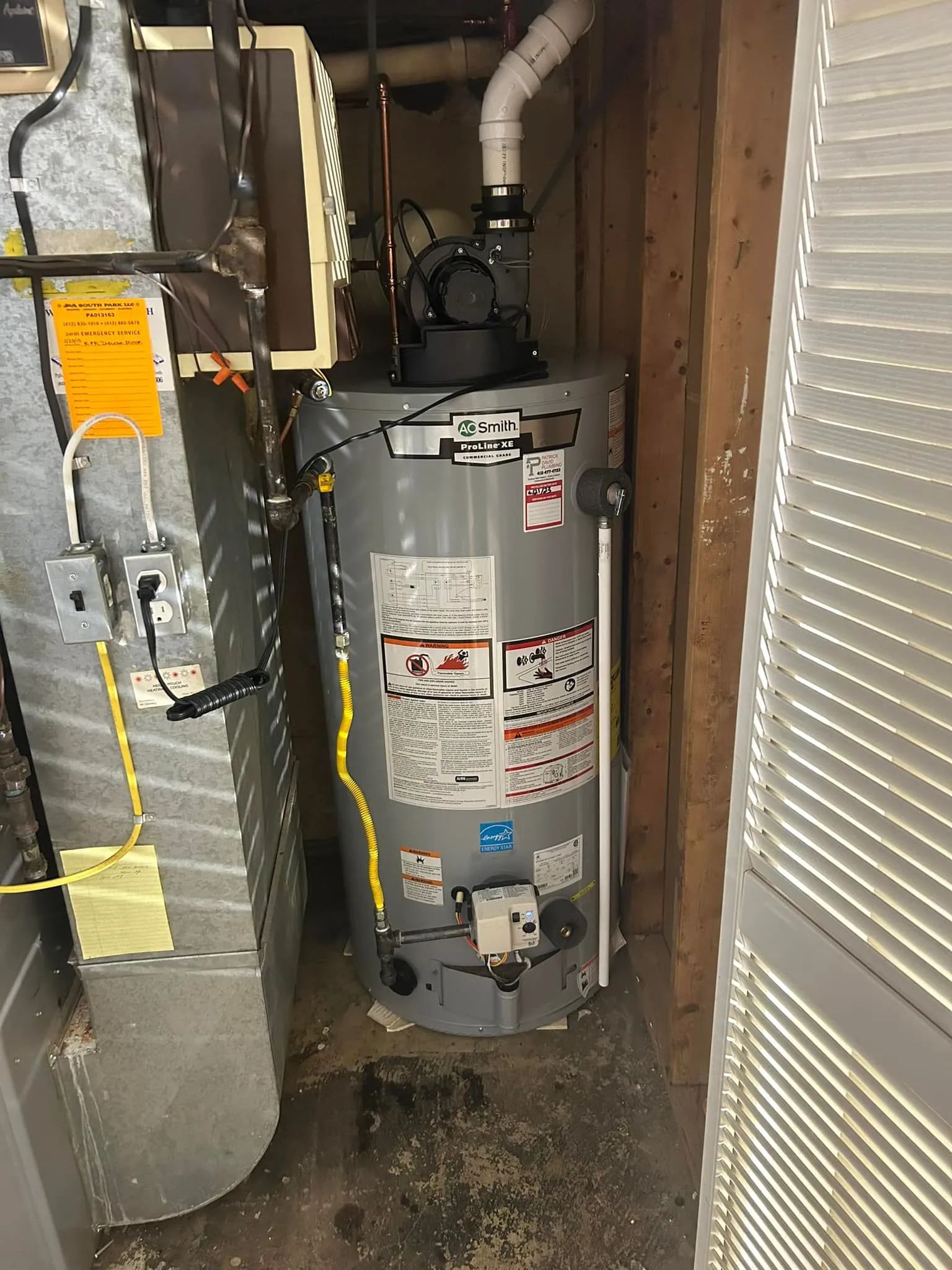
Water heaters are the silent workhorses of every home, providing consistent hot water for showers, dishwashing, laundry, and countless daily routines. Despite their critical role, water heaters often go unnoticed until a sudden failure disrupts life’s normal flow. Homeowners in Pittsburgh and beyond may not realize that a water heater doesn’t just stop working overnight. Instead, it exhibits warning signs that, if recognized early, can prevent costly damage, emergency replacements, or even water-related hazards. Understanding these indicators allows homeowners to take proactive steps, prolonging the life of the appliance while avoiding unnecessary stress.
From strange noises to fluctuating water temperatures, the early signs of a failing water heater can be subtle yet significant. Ignoring these signals can lead to leaks, water damage, and higher utility bills. By educating homeowners on what to watch for, it becomes possible to address issues before they escalate into full-scale failures. This guide explores the most common warning signs, providing actionable insights and preventative strategies. Recognizing these early indicators ensures hot water remains reliable and helps maintain the overall safety and efficiency of the home’s plumbing system.
1. Inconsistent Water Temperature
Fluctuating Hot Water Supply
A clear sign of a struggling water heater is inconsistent water temperature. One day, water may be extremely hot, while the next, barely lukewarm. Sediment buildup at the tank's bottom often causes this problem. It reduces heating efficiency and prevents water from reaching the desired warmth. Recognizing fluctuations early allows homeowners to address issues before they worsen, maintaining comfort and energy efficiency.
Delayed Heating
Water that takes unusually long to heat signals potential water heater problems. Mineral deposits may coat electric heating elements or reduce heat transfer in gas models. The result is longer heating times, higher energy use, and overworked components. Addressing delayed heating promptly, through tank flushing or element inspection, prevents further deterioration, ensures consistent hot water, and extends the overall life of the water heater.
Risk of Further Damage
Ignoring temperature inconsistencies can escalate into more severe water heater problems. Overworked heating elements may fail, while sediment accumulation can corrode or even leak from the tank. Early maintenance, such as flushing the tank or checking heating components, prevents complete breakdown. Timely attention not only safeguards the system but also improves efficiency, reduces energy consumption, and prevents costly emergency repairs or property damage.
2. Strange Noises from the Tank
- Rumbling and Popping Sounds-
Unusual noises from the water heater, including rumbling, popping, or banging, often indicate sediment buildup at the tank’s bottom. As water heats, trapped sediment produces uneven heating and creates these sounds. While sometimes overlooked, these noises signal internal stress. Homeowners should schedule professional inspections or flush the tank to remove sediment. Addressing these sounds early extends the heater’s lifespan and improves efficiency.
- Continuous Clicking or Ticking:- Clicking or ticking sounds from a water heater often occur when metal components expand or contract due to temperature changes. Though not immediately dangerous, persistent noises indicate stress on the system, weakening its internal components. Ignoring these sounds may lead to malfunctions, reduced efficiency, or failure. Timely maintenance, inspection, and part replacement ensure the water heater continues functioning safely and reliably over time.
- Preventive Measures:- Regular maintenance, including flushing the tank to remove sediment, effectively reduces noise while prolonging water heater life. Professional inspections ensure heating elements, valves, and the anode rod remain in proper condition. Addressing issues before they escalate prevents sudden failure, costly repairs, or energy inefficiency. Establishing a routine maintenance schedule not only keeps the water heater running smoothly but also safeguards against unexpected breakdowns and extends its operational lifespan.
3. Visible Leaks and Corrosion
Drips and Pooling Water
Even small leaks near a water heater’s base can signal internal deterioration. Worn gaskets, corroded tank walls, or failing valves often cause these drips. Ignoring minor leaks may escalate into major flooding, damaging property and increasing repair costs. Early detection allows timely repair or replacement of affected components. Visual inspections, particularly around valves and the tank’s bottom, help homeowners identify issues while they are manageable.
Rust and Corrosion
Rust-colored water or visible corrosion on a water heater’s exterior is a serious warning sign. Corrosion weakens the tank and increases the risk of rupture. Often, this develops from prolonged exposure to minerals in water or a deteriorating anode rod, designed to protect the tank from rust. Detecting rust early allows for component replacement and prevents catastrophic failure, protecting home safety and reducing emergency repair expenses.
Addressing Leaks Quickly
Early detection and repair of leaks prevent more significant damage. Replacing corroded parts or the entire water heater before major leaks occur saves homeowners money and reduces disruption. Regular visual inspections, focusing on fittings, valves, and tank bases, help catch problems early. Prompt action ensures water quality, prevents structural damage, and maintains consistent hot water availability, reducing stress and avoiding unexpected emergency service calls.
4. Discolored or Foul-Smelling Water
Rust-Tinged Water
When hot water appears rusty orange or brown, it usually signals tank corrosion or aging pipes. Rust particles from the heater can travel through plumbing, damaging appliances, faucets, and fixtures. Discolored water affects both hygiene and functionality. Addressing corrosion early, by flushing the tank and inspecting pipes, prevents further deterioration. Maintaining water quality ensures safe, reliable hot water and extends the life of household plumbing systems.
Foul Odors
A sulfur or rotten-egg smell in hot water indicates bacterial growth inside the tank, often caused by stagnation or high water temperatures. This bacterial presence poses health risks and can affect hygiene if untreated. Early intervention, including tank flushing and anode rod replacement, helps reduce bacteria. In some cases, additional filtration or water treatment is required. Proactive measures maintain water safety, comfort, and system efficiency over time.
Solutions and Prevention
Regular tank flushing and anode rod replacement reduce corrosion, sediment buildup, and bacterial growth. Water treatment or filtration may also help improve quality and prevent odors. Taking proactive steps ensures consistent water performance, reduces the risk of sudden system failure, and maintains safety. Routine inspections, combined with professional maintenance, extend water heater lifespan, lower energy costs, and keep water clean, safe, and reliable for daily household use.
5. Declining Hot Water Volume
Reduced Tank Capacity
A noticeable reduction in available hot water may indicate sediment buildup or failing heating elements. Sediment reduces the tank’s effective capacity, leaving less water for showers, laundry, or dishwashing. This loss of volume signals internal issues. Monitoring usage helps homeowners detect declining performance early, ensuring hot water remains sufficient. Timely intervention prevents inconvenience, property damage, and more significant repair costs from progressing unnoticed.
Frequent Reheating
Struggling water heaters require longer recovery periods between uses, often forcing repeated reheating cycles. This increases energy consumption and accelerates wear on components. Reduced recovery efficiency affects daily routines and adds unnecessary costs. Early recognition of frequent reheating needs allows homeowners to schedule maintenance or consider replacement. Addressing performance issues ensures energy efficiency, consistent hot water availability, and reduces stress caused by unpredictable water heater operation.
Monitoring and Action
Tracking water usage and recovery times helps identify early declines in performance. If the water heater cannot meet household demand despite normal operation, it may be time for inspection or replacement. Timely action prevents inconvenience, protects home infrastructure, and maintains comfort. Proactive attention allows homeowners to plan upgrades efficiently, select modern energy-efficient models, and avoid unexpected system failure or costly emergency repairs.
6. Age and Warning from Manufacturer Guidelines
Typical Water Heater Lifespan
Most water heaters last between eight and twelve years depending on usage, type, and maintenance. Age alone does not guarantee failure, but older units are prone to leaks, corrosion, and component breakdown. Recognizing the typical lifespan helps homeowners anticipate replacement needs. Planning ahead prevents emergencies, allows time to select energy-efficient models, and ensures uninterrupted hot water service while avoiding costly last-minute repairs or property damage.
Manufacturer Alerts
Modern water heaters may include diagnostic features or warning indicators signaling maintenance requirements. Ignoring these alerts can shorten lifespan and increase the risk of sudden failures. Following manufacturer guidance ensures proper function and safety. Recognizing warning signals early, such as error codes or unusual behaviors, allows preventive measures. Homeowners benefit from timely maintenance, reduced repair costs, improved efficiency, and the extended operational life of their water heater.
Proactive Replacement
Replacing a water heater before catastrophic failure minimizes disruption and emergency expenses. Planning for replacement allows homeowners to select energy-efficient, technologically advanced models with longer warranties. Proactive replacement also reduces maintenance needs, ensures consistent hot water availability, and prevents property damage from leaks or tank rupture.
Trusted Experts Ensure Reliable Water Heater Solutions
Recognizing the early signs of water heater failure allows homeowners to address problems proactively, minimizing disruptions and costly repairs. Inconsistent water temperatures, strange noises, visible leaks, discolored water, declining hot water supply, and the system’s age are all critical indicators that action is needed. By understanding these warning signs, homeowners can implement preventive measures, such as tank flushing, component inspection, and professional maintenance, to extend the life of the water heater and maintain safe, reliable hot water throughout the home.
At Patrick David Plumbing
in Pittsburgh, PA, over 12
years of experience has provided insight into the common challenges faced by homeowners regarding water heater performance. Our experts provide professional inspections, timely maintenance, and effective replacements to ensure uninterrupted hot water service. Committed to quality and reliability, Patrick David Plumbing
combines industry knowledge with hands-on expertise to
address water heater issues before they escalate. Homeowners can rely on us to deliver dependable, efficient solutions, safeguarding both the home and family comfort.