
5 Plumbing Upgrades That Can Increase Your Home’s Value

August 5, 2026

Quick Answer: The plumbing upgrades that move the needle for buyers are a tankless water heater, whole-home water filtration, updated fixtures with a modern finish, leak-resistant supply lines in place of old galvanized pipe, and high-efficiency toilets and showerheads. None of them are cosmetic. Each one solves a problem buyers actively check for during a walkthrough, especially in a house with the age and hard water Pittsburgh homes tend to have.


An open house here almost always follows the same script. A buyer opens the cabinet under the kitchen sink, runs the hot water in the bathroom for a few seconds longer than feels normal, and glances at the water heater in the basement to see how old the sticker is. They're not being paranoid. Plumbing is one of the few systems in a house that's expensive to ignore and impossible to hide once something fails, so buyers look for it on purpose.


Pittsburgh's housing stock makes this more true, not less. A good share of the homes in Allegheny County were built before PEX piping existed, before tankless heaters were common, and before anyone worried about hard water scaling up a dishwasher. Updating a handful of specific systems tells a buyer the house has been maintained by someone paying attention, not just someone painting over problems before listing day.

1. Swap the Tank Water Heater for a Tankless Unit

A standard tank heater keeps 40 to 50 gallons hot around the clock, whether anyone's home or not, and most of them wear out somewhere between eight and twelve years. A tankless unit heats water on demand instead of storing it, which means no standby heat loss and a unit that's realistically good for close to two decades with regular maintenance, a real selling point on its own.


Buyers notice the difference two ways. First, tankless units are compact, wall-mounted boxes instead of a bulky tank eating floor space in the basement or a closet. Second, an inspector flags water heater age on nearly every report, and a fresh tankless install with the manufacturer's paperwork still attached answers that question before it gets asked. In a house where the furnace, roof, or electrical panel might already be older, a newer water heater is one less item working against you at the negotiating table.

2. Put In Whole-Home Water Filtration

Hard water is close to universal across this region, and it leaves fingerprints everywhere: cloudy glasses out of the dishwasher, white crust building up around faucet aerators and showerheads, and scale slowly narrowing the inside of pipes and water heater elements. A whole-home filtration or softening system treats water as it enters the house, so every fixture and appliance downstream benefits instead of just the one under the kitchen sink with a countertop pitcher next to it.


For a seller, this shows up in small but noticeable ways during a showing: fixtures that still shine instead of looking chalky, glassware that comes out of the dishwasher clear, and no ring of white residue creeping up the shower door. A buyer who's rented in an older building with hard water problems will recognize exactly what they're looking at, and they'll read it as one less thing they'd need to add themselves.

3. Update Fixtures Buyers Actually Notice

Not every fixture change matters equally. A buyer walking through won't remember the brand of your shutoff valves, but they will remember whether the kitchen faucet looked dated or looked current. Touchless and pull-down kitchen faucets, updated cartridge-style shower valves that hold a steady temperature, and matched finishes across a bathroom read as intentional rather than piecemeal.

Tip: Consistency matters more than any single fixture. A brushed-nickel kitchen faucet next to chrome bathroom hardware looks like two different decades collided in one house. Picking one finish and carrying it through every bathroom and the kitchen makes a bigger visual impression than any individual upgrade.

Function matters just as much as looks here. A faucet that drips within a year or a shower valve that can't hold a consistent temperature turns a cosmetic win into a maintenance complaint fast, which is exactly the kind of thing that comes up during a home inspection walk-through.

4. Replace Old Galvanized Supply Lines With PEX or Copper

Plenty of houses in this area still have some or all of their original galvanized steel supply lines, especially anything built before the 1960s. Galvanized pipe corrodes from the inside over decades, and that corrosion narrows the pipe's interior diameter until water pressure drops noticeably, sometimes room by room depending on which branch is worst.

Warning: Corroded galvanized supply lines don't always show visible signs from outside the wall. A pipe can look intact while it's rusted down to a fraction of its original diameter internally, and in older systems that same corrosion can also affect water quality. If your home still has original galvanized supply lines and you're not sure of their condition, that's worth having assessed before you rely on a "no visible leaks" assumption.

Repiping with PEX or copper solves the corrosion problem outright and comes with a second benefit specific to this climate: PEX tubing has some flexibility that rigid pipe doesn't, which helps it handle the freeze-thaw cycles that crack old pipe during a hard Pittsburgh winter. A home inspector who sees galvanized supply lines during a pre-listing inspection will flag it, and buyers who've dealt with low water pressure in a previous rental tend to ask about it directly.

5. Install High-Efficiency Toilets and Showerheads

This is the least glamorous upgrade on the list and the one that quietly does the most work. WaterSense-labeled toilets can save a household roughly 13,000 gallons of water a year compared to older models, and efficient showerheads add meaningful savings on top of that without any noticeable drop in water pressure, since modern designs use aerated flow instead of simply restricting the stream.


Buyers won't necessarily ask about your toilet's flush rating during a showing. But a full bathroom refresh that includes efficient fixtures, alongside the finish and cartridge upgrades already mentioned, reads as a complete update rather than a surface-level one. It also means whoever moves in isn't inheriting a first-year project list of "eventually replace the toilets."

Which Upgrade Actually Moves a Buyer's Decision

None of these five upgrades work in isolation. A tankless heater paired with lingering hard water damage on every faucet still looks unfinished, and new fixtures fed by corroded galvanized pipe just delays the same pressure complaints buyers already dread. The upgrades that matter most are the ones that fix a system a buyer would otherwise have to plan around fixing themselves within the first year or two of owning the house.


Older homes around here tend to have one or two plumbing systems doing most of the damage to a buyer's confidence, whether that's a water heater nobody's touched since the last owner or supply lines original to the house. Figuring out which one is actually holding your house back usually takes someone crawling through the basement and checking pipe material firsthand, not just walking the main floor with a checklist.


Timing matters too. Squeezing a full repipe into the week before a listing goes live isn't realistic, but most of these upgrades don't need to happen all at once. A water heater swap can happen months ahead of listing, filtration can go in whenever it's convenient, and even a partial repipe of the worst-affected branch line buys real improvement without tearing the house apart. Sellers who plan this a season or two out usually end up spending less time scrambling and get a cleaner story to tell buyers about what's already been handled.


It also helps to think about this from the angle of what an inspector will actually flag, not just what looks good in a listing photo. Inspectors note water heater age, visible pipe material, water pressure at fixtures, and any sign of past leaks or corrosion. None of that shows up in a photo, but all of it shows up in the report a buyer reads right before they decide whether to make an offer or walk away with second thoughts.

Frequently Asked Questions

  • Do I need to replace every system on this list before selling?

    No. Sellers get the best return fixing whichever system actively causes a visible or reportable problem, whether low pressure from corroded pipe or an aging water heater, rather than upgrading everything simultaneously.

  • How can I tell if my house still has galvanized supply lines?

    Galvanized pipe looks dull gray and is magnetic, unlike copper or PEX. Check exposed pipe near the water heater or basement utility sink, though only inspection reveals condition deeper within the walls.

  • Will a tankless water heater work with my home's existing hard water?

    Yes, but hard water scale builds up faster inside a tankless unit's heat exchanger than a traditional tank. Pairing tankless installation with filtration or softening extends the unit's working life considerably.

  • Do buyers actually ask about water filtration systems during showings?

    Not usually by name, but they notice results: cloudy glassware, scale on fixtures, or a chalky shower door. These details shape how well-maintained the house feels without anyone mentioning filtration.

  • Is it worth updating fixtures if the pipes behind them are old?

    Fixture updates still matter for how a house shows, but pairing them with a supply-line check prevents new fixtures performing poorly because of old pipe behind the wall, undercutting the upgrade.

What These Plumbing Upgrades Mean for Resale

The five upgrades that matter most all solve problems buyers actively look for, not ones they simply notice in passing. A tankless heater, filtration, updated fixtures, sound supply lines, and efficient toilets each answer a question an inspector or a skeptical buyer would otherwise raise. Taken together, they tell a clear story: this house has been looked after, not just staged for the weekend it's shown. That story is worth more to most buyers than any single upgrade on its own.


Patrick David Plumbing has spent 12 years working inside older homes throughout Pittsburgh, PA, and understands exactly which systems tend to hold a house back before a sale. Timing these upgrades a season or two ahead of listing, rather than scrambling the week before, usually means less stress and a stronger story to tell. Sellers who plan ahead typically walk into showings with fewer surprises waiting in the inspection report.

Green industrial pipeline beside a pond with office building in the background
July 3, 2026
Annual backflow testing is vital for safe drinking water. Ensure compliance & protect your property. Contact us for certified testing!
Hand using a drain cleaning tool to clear a sink drain
June 5, 2026
Drain clogs are among the most common plumbing issues affecting homes and businesses. While a slow-draining sink or backed-up shower may seem like a minor inconvenience, recurring clogs often indicate deeper problems within a plumbing system.
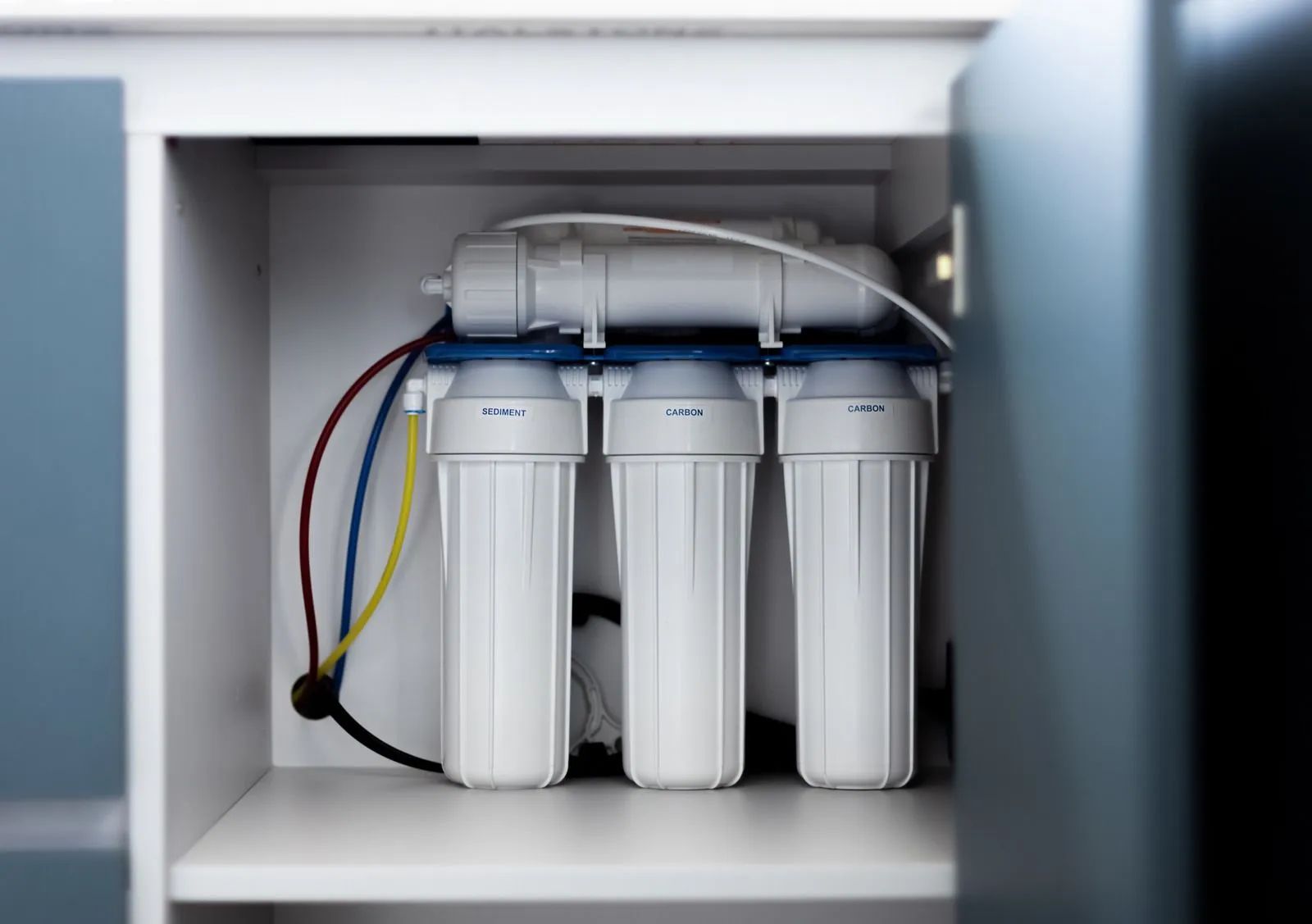
Under-sink water filtration system with three white filter cartridges and color-coded tubing
May 4, 2026
Water is an essential part of daily life, shaping everything from personal hygiene to household maintenance. In Allegheny County, PA, many homeowners unknowingly contend with hard water—a condition characterized by elevated levels of calcium and magnesium minerals.
Green industrial pipeline beside a pond with office building in the background
July 3, 2026
Annual backflow testing is vital for safe drinking water. Ensure compliance & protect your property. Contact us for certified testing!
Hand using a drain cleaning tool to clear a sink drain
June 5, 2026
Drain clogs are among the most common plumbing issues affecting homes and businesses. While a slow-draining sink or backed-up shower may seem like a minor inconvenience, recurring clogs often indicate deeper problems within a plumbing system.
Under-sink water filtration system with three white filter cartridges and color-coded tubing
May 4, 2026
Water is an essential part of daily life, shaping everything from personal hygiene to household maintenance. In Allegheny County, PA, many homeowners unknowingly contend with hard water—a condition characterized by elevated levels of calcium and magnesium minerals.