
How Hard Water Affects Homes in Allegheny County, PA (And What You Can Do About It)
May 4, 2026
Water is an essential part of daily life, shaping everything from personal hygiene to household maintenance. In Allegheny County, PA, many homeowners unknowingly contend with hard water—a condition characterized by elevated levels of calcium and magnesium minerals. While hard water is not harmful to human health, its effects on plumbing, appliances, and overall household efficiency can be significant. Recognizing the signs and understanding the consequences of hard water can help prevent long-term damage and reduce unnecessary expenses.
Awareness of local water quality issues is increasingly important in Allegheny County, where municipal sources often contribute to mineral-rich water. From scale buildup in pipes to reduced efficiency in water heaters, the consequences of untreated hard water can accumulate over time. Implementing proper filtration and treatment systems provides a proactive solution, ensuring water is not only safe but also gentle on plumbing infrastructure. Understanding these strategies allows homeowners to make informed choices that preserve both their property and daily convenience.
Understanding Hard Water
What Is Hard Water?
Hard water occurs when water passes through mineral-rich geological formations, picking up calcium, magnesium, and occasionally iron. The concentration of these minerals determines water hardness, typically measured in parts per million (ppm). Soft water contains fewer than 60 ppm of calcium and magnesium, while water exceeding 120 ppm is considered hard. In Allegheny County, natural mineral deposits and the local water supply frequently result in medium to hard water levels in residential areas.
How Hard Water Forms in Allegheny County
Allegheny County’s water sources draw from rivers, reservoirs, and underground aquifers. Many of these sources flow through limestone and shale deposits, which are high in calcium and magnesium. As water moves through these layers, it dissolves minerals and carries them into municipal and private water systems. Seasonal changes and fluctuations in water treatment processes can also influence hardness levels, making it essential for homeowners to test water quality regularly.
The Impact of Hard Water on Home Plumbing
- Scale Buildup in Pipes-
One of the most common effects of hard water is scale buildup inside pipes and plumbing fixtures. Calcium and magnesium minerals precipitate out of the water, forming a hard, chalky layer known as limescale. Over time, this buildup narrows pipe diameter, reducing water flow and increasing the risk of clogs or pipe damage. Homes with older plumbing are particularly vulnerable, as corrosion and scale compound the issue.
- Appliance Efficiency and Lifespan:- Hard water affects appliances that use water, such as dishwashers, washing machines, and water heaters. Mineral deposits coat heating elements, reducing energy efficiency and forcing appliances to work harder to reach desired temperatures. In water heaters, scale accumulation can lower thermal conductivity, leading to higher energy consumption and premature failure. By contrast, treated water extends appliance lifespan and maintains peak performance.
- Fixtures and Aesthetic Concerns:- Hard water can leave visible stains on sinks, tubs, and toilets. White or grayish deposits accumulate on faucets and showerheads, while soap residue can leave a filmy coating on glass and tile surfaces. These deposits are not only unsightly but also difficult to remove with regular cleaning alone. Addressing water hardness through proper treatment prevents persistent stains and preserves the home’s appearance.
Effects on Health and Household Cleaning
Skin and Hair Irritation
While hard water is not toxic, it can affect skin and hair. Mineral-rich water reduces the effectiveness of soaps and shampoos, leaving residue that causes dryness and irritation. Individuals with sensitive skin may experience more pronounced effects, including itching or exacerbation of conditions like eczema. Using filtered water for showers and baths can mitigate these issues, leaving skin and hair softer and more manageable.
Laundry and Fabric Damage
Clothing and linens are also affected by hard water. Minerals interfere with detergent performance, resulting in less effective cleaning. Over time, fabrics may feel stiff, fade faster, or develop an unwanted gray tint. Towels and bedding can become rough and less absorbent, reducing comfort and usability. Installing water softening or filtration systems ensures laundry remains soft, vibrant, and free from mineral residue.
Cleaning Challenges
Hard water increases cleaning difficulty throughout the home. Soap scum, mineral spots, and streaks on glass, tiles, and countertops require more frequent and labor-intensive cleaning. Kitchens and bathrooms, in particular, become more prone to buildup, demanding stronger cleaning agents that can damage surfaces over time. Addressing water hardness not only improves cleaning efficiency but also reduces the need for harsh chemicals, preserving both surfaces and indoor air quality.
Solutions for Hard Water in Allegheny County
Water Testing and Assessment
The first step in managing hard water is accurate testing. Homeowners can utilize DIY test kits or engage professional water testing services to determine mineral concentration. Testing identifies the level of hardness, potential contaminants, and variations in water quality across different sources in the home. Understanding the specific characteristics of local water informs the selection of an effective treatment system.
Filtration Systems
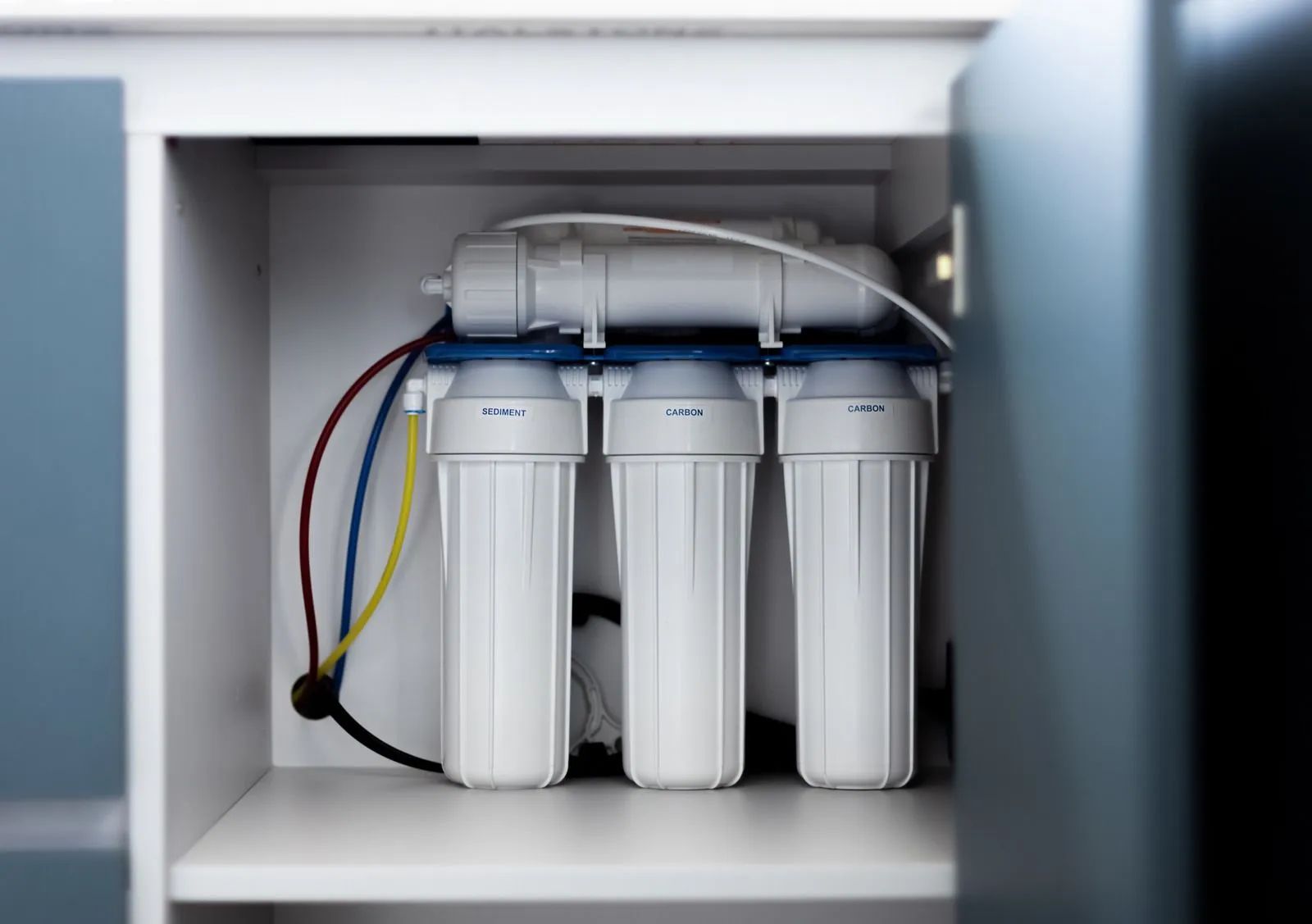
Filtration systems remove certain mineral impurities from water before they reach taps and appliances. Point-of-use filters, such as those installed under sinks or attached to faucets, treat water at a single location for drinking and cooking purposes. Whole-house filtration systems, by contrast, treat all water entering the home, addressing broader concerns related to plumbing, appliances, and cleaning. Filtration can also reduce chlorine, sediment, and other elements that affect water taste and odor.
Water Softening
Water softeners use ion exchange technology to replace calcium and magnesium ions with sodium or potassium ions. This process effectively prevents scale buildup and minimizes the negative impact of hard water on plumbing and appliances. Modern systems can be programmed to operate automatically, regenerate efficiently, and accommodate varying household water demands. Regular maintenance, including resin replacement and salt replenishment, ensures long-term performance.
Combination Systems
In some cases, homeowners benefit from a hybrid approach, combining filtration and water softening. This dual strategy addresses both mineral hardness and additional impurities, creating water that is clean, soft, and gentle on home infrastructure. For kitchens, bathrooms, and laundry areas, combination systems offer comprehensive protection and convenience, making daily routines easier while extending the life of plumbing and appliances.
Benefits of Treating Hard Water
Improved Appliance Longevity and Efficiency
Treating hard water reduces scale accumulation in water heaters, dishwashers, and washing machines. Appliances operate more efficiently, lowering energy consumption and reducing repair costs. A water heater free from scale deposits maintains optimal heating performance, while washing machines and dishwashers clean more effectively and last longer, providing measurable savings over time.
Enhanced Comfort and Aesthetics
Softened and filtered water contributes to a more comfortable living environment. Skin and hair feel smoother, and clothing and linens remain soft and vibrant. Bathroom and kitchen surfaces remain free from persistent stains, reducing cleaning time and effort. The home’s overall appearance improves, and residents enjoy the aesthetic benefits of clean, clear water throughout the household.
Health and Hygiene Advantages
Reducing mineral buildup enhances the effectiveness of soaps, detergents, and personal care products, improving skin and hair health. Hard water-related residue on dishes and surfaces diminishes, promoting better hygiene. For households with sensitive individuals, treated water minimizes irritation, creating a more comfortable and healthier home environment.
Long-Term Financial Savings
Although installation of filtration or softening systems requires an upfront investment, long-term savings are significant. Reduced appliance wear, lower energy costs, decreased plumbing repairs, and less frequent cleaning all contribute to financial benefits. Over time, the cost of addressing hard water-related damage without treatment often exceeds the expense of preventive measures.
Maintenance and Best Practices
Regular System Maintenance
Water treatment systems require routine care to maintain effectiveness. Filtration cartridges should be replaced according to manufacturer guidelines, and softener resin and salt levels monitored consistently. Regular maintenance prevents system inefficiency, prolongs equipment life, and ensures water quality remains consistently high.
Monitoring Water Quality
Periodic testing of water hardness and quality allows homeowners to track system performance and detect changes in mineral content. Monitoring helps identify potential issues before they cause significant damage to plumbing or appliances, enabling proactive maintenance and timely system adjustments.
Educating Household Members
Educating all residents about the benefits and limitations of treated water encourages responsible usage. Simple measures, such as avoiding excessive hot water use when unnecessary, can extend the life of both treatment systems and household appliances. Awareness ensures that water treatment strategies deliver maximum value.
Choosing Professional Guidance
Engaging experienced professionals for system installation and maintenance ensures optimal performance. Experts can recommend the best solution based on water quality, household size, and specific needs. Professional installation minimizes the risk of leaks, improper setup, or system inefficiency, offering peace of mind and long-term reliability.
Professional Guidance for Comprehensive Water Treatment Solutions
Understanding the impact of hard water on homes in Allegheny County is crucial for maintaining plumbing integrity, appliance efficiency, and overall household comfort. From mineral buildup in pipes to laundry and cleaning challenges, the consequences of untreated hard water are both visible and costly. Addressing these issues through testing, filtration, and water softening ensures water is gentle on infrastructure, appliances, and skin, creating a safer and more convenient living environment.
At Patrick David Plumbing
in Pittsburgh, PA, over 12
years of experience provide unmatched expertise in water treatment solutions. We specialize in assessing local water quality, recommending tailored
filtration and softening systems, and ensuring seamless installation and ongoing support. By prioritizing both performance and long-term reliability, we help homeowners protect their property, enhance daily comfort, and achieve significant savings. Partnering with skilled professionals guarantees water that meets the highest standards, allowing homes to function efficiently and enjoyably for years to come.