Why Your Drains Keep Clogging (And How to Prevent It)
June 5, 2026

Drain clogs are among the most common plumbing issues affecting homes and businesses. While a slow-draining sink or backed-up shower may seem like a minor inconvenience, recurring clogs often indicate deeper problems within a plumbing system. Many property owners focus on clearing the immediate blockage without addressing the underlying causes, which leads to repeated drainage issues, increased maintenance costs, and potential damage to pipes. Understanding why drains clog is an important part of protecting plumbing infrastructure and maintaining a clean, functional property.
The challenge is that most drain blockages develop gradually. Grease accumulates along pipe walls, soap residue hardens into stubborn deposits, hair creates tangled obstructions, and improper disposal of household materials restricts water flow. These issues often remain unnoticed until drainage slows significantly or a complete blockage occurs. By identifying the most common causes of drain blockages and implementing preventative measures, property owners can reduce plumbing emergencies, extend the life of their pipes, and maintain reliable drainage throughout the year.
Understanding How Drain Clogs Develop
The Gradual Nature of Drain Blockages
Most drain clogs do not happen overnight. Instead, they form gradually as small amounts of debris accumulate inside pipes. Each time water flows through a drain, tiny particles may remain behind and attach to pipe surfaces. Over weeks, months, and years, these deposits grow larger and restrict water movement.
A drain may appear to function normally during the early stages of buildup. However, as the pipe diameter narrows, water begins draining more slowly. Eventually, the accumulated material creates a significant obstruction that prevents normal flow.
Why Modern Plumbing Still Experiences Clogs
Even well-designed plumbing systems can develop drainage issues when exposed to everyday waste materials. Pipes are designed to carry water and approved waste products, but many substances entering drains were never intended to pass through plumbing systems.
Factors contributing to recurring clogs include:
- Household habits
- Aging plumbing systems
- Hard water deposits
- Infrequent maintenance
- Improper disposal practices
Understanding these factors helps property owners identify the root causes of recurring drain problems rather than simply treating symptoms.
Warning Signs of a Developing Blockage
Recognizing early warning signs allows intervention before a complete clog occurs.
Common indicators include:
- Slow-draining sinks
- Standing water in showers
- Gurgling sounds from drains
- Unpleasant odors
- Frequent backups
Water pooling around floor drains
Addressing these symptoms early can prevent more extensive plumbing repairs.
Grease Buildup: A Leading Cause of Kitchen Drain Clogs
How Grease Affects Plumbing Systems
Grease is one of the most common causes of kitchen drain blockages. Many people assume that pouring grease down the drain while it is hot and liquid poses no risk. However, grease cools quickly inside pipes and begins to solidify along interior surfaces.
As grease accumulates, it forms a sticky layer that traps food particles, coffee grounds, and other debris. Over time, this combination creates a dense obstruction that restricts water flow.
Common Sources of Grease Accumulation
Kitchen drains frequently receive grease from:
- Cooking oils
- Bacon fat
- Meat drippings
- Butter and margarine
- Sauces and gravies
- Dairy-based products
Even small amounts introduced regularly can create substantial buildup over time.
Prevention Strategies for Grease-Related Clogs
Preventing grease buildup requires simple but consistent habits.
Best practices include:
Dispose of Grease Properly
Allow cooking grease to cool and solidify before placing it in a sealed container for disposal.
Wipe Greasy Cookware
Use paper towels to remove excess grease from pots, pans, and dishes before washing them.
Use Sink Strainers
Strainers capture food particles that might otherwise combine with grease inside pipes.
Flush with Hot Water
Occasional hot water flushing can help remove minor residue before it hardens.
These preventive measures significantly reduce the risk of recurring kitchen drain clogs.
Soap Scum and Mineral Deposits: Hidden Drainage Problems
Understanding Soap Buildup
Many homeowners are surprised to learn that soap contributes significantly to drain blockages. Traditional soap contains fats that react with minerals commonly found in water supplies. This reaction creates a residue known as soap scum.
Soap scum adheres to pipe walls and creates a rough surface that attracts additional debris.
The Impact of Hard Water
Hard water contains elevated levels of calcium and magnesium. When combined with soap residue, these minerals form stubborn deposits that narrow pipe interiors.
Properties located in areas with hard water often experience faster accumulation of scale buildup and more frequent drainage issues.
Areas Most Affected by Soap Deposits
Soap-related clogs commonly occur in:
- Bathroom sinks
- Shower drains
- Bathtubs
- Utility sinks
- Laundry drains
Because these fixtures receive daily exposure to soap products, buildup develops steadily.
Prevention and Maintenance Solutions
Use Appropriate Cleaning Methods
Routine drain cleaning helps remove residue before it becomes problematic.
Install Water Treatment Systems
Water softeners can reduce mineral accumulation in areas affected by hard water.
Rinse Fixtures Thoroughly
Running warm water after using soaps can help move residue through the drainage system.
Schedule Professional Inspections
Periodic evaluations help identify developing buildup before significant restrictions occur.
Taking proactive steps can greatly reduce soap-related drainage issues.
Hair Buildup and Bathroom Drain Blockages
Why Hair Causes Serious Drain Problems
Hair is one of the most problematic materials entering residential plumbing systems. Unlike many substances, hair does not dissolve or break down easily. Instead, it forms tangled masses that trap soap residue, dirt, and other debris.
Even relatively small amounts of hair can create significant obstructions over time.
Common Locations for Hair Clogs
Hair accumulation is especially common in:
- Shower drains
- Bathtub drains
- Bathroom sinks
- Floor drains near grooming areas
Properties with multiple occupants often experience faster buildup due to increased usage.
How Hair Combines with Other Materials
Hair rarely causes clogs alone. Instead, it acts as a framework that captures additional debris.
For example:
- Soap residue adheres to hair strands.
- Mineral deposits harden around tangled hair.
- Dirt and skin particles become trapped.
- Personal care products increase accumulation.
This combination creates dense blockages that become difficult to remove.
Effective Prevention Methods
Install Drain Covers
Quality drain covers significantly reduce the amount of hair entering plumbing systems.
Remove Visible Hair Regularly
Cleaning drain covers after showers prevents accumulation.
Brush Hair Before Showering
Removing loose hair before bathing reduces the amount entering drains.
Schedule Routine Maintenance
Preventative drain cleaning can address minor buildup before major blockages develop.
Simple preventative habits often eliminate the majority of hair-related drainage problems.
Improper Drain Use and Everyday Plumbing Mistakes
What Should Never Go Down a Drain
Many recurring clogs result from improper drain use rather than unavoidable buildup. Modern plumbing systems are durable, but they are not designed to handle every type of waste.
Materials that should never enter drains include:
- Paper towels
- Wet wipes
- Cotton balls
- Dental floss
- Feminine hygiene products
- Cat litter
- Food scraps
- Grease
- Paint residue
Even products marketed as flushable can contribute to plumbing issues.
The Problem with Convenience Disposal
Many people use drains as a convenient way to dispose of unwanted materials. Unfortunately, drains are not garbage disposal systems. Materials that seem harmless individually can accumulate and create serious blockages over time.
A common example involves rinsing food scraps into kitchen sinks. While small particles may pass through initially, repeated disposal increases the likelihood of buildup.
Educating Household Members
Preventing drain misuse often requires educating everyone who uses the plumbing system.
Helpful approaches include:
- Posting disposal reminders
- Providing waste containers near sinks
- Teaching proper drain care practices
- Explaining the cost of plumbing repairs
Awareness plays a major role in preventing recurring drainage problems.
Long-Term Drain Maintenance and Prevention Strategies
Establishing a Preventative Maintenance Plan
Waiting until a drain clogs is often the most expensive approach to plumbing maintenance. A preventative strategy helps identify issues early and minimizes disruptions.
Routine maintenance may include:
- Drain inspections
- Professional cleaning
- Pipe evaluations
- Water flow testing
- Preventative repairs
These measures help maintain reliable drainage performance.
Benefits of Professional Drain Cleaning
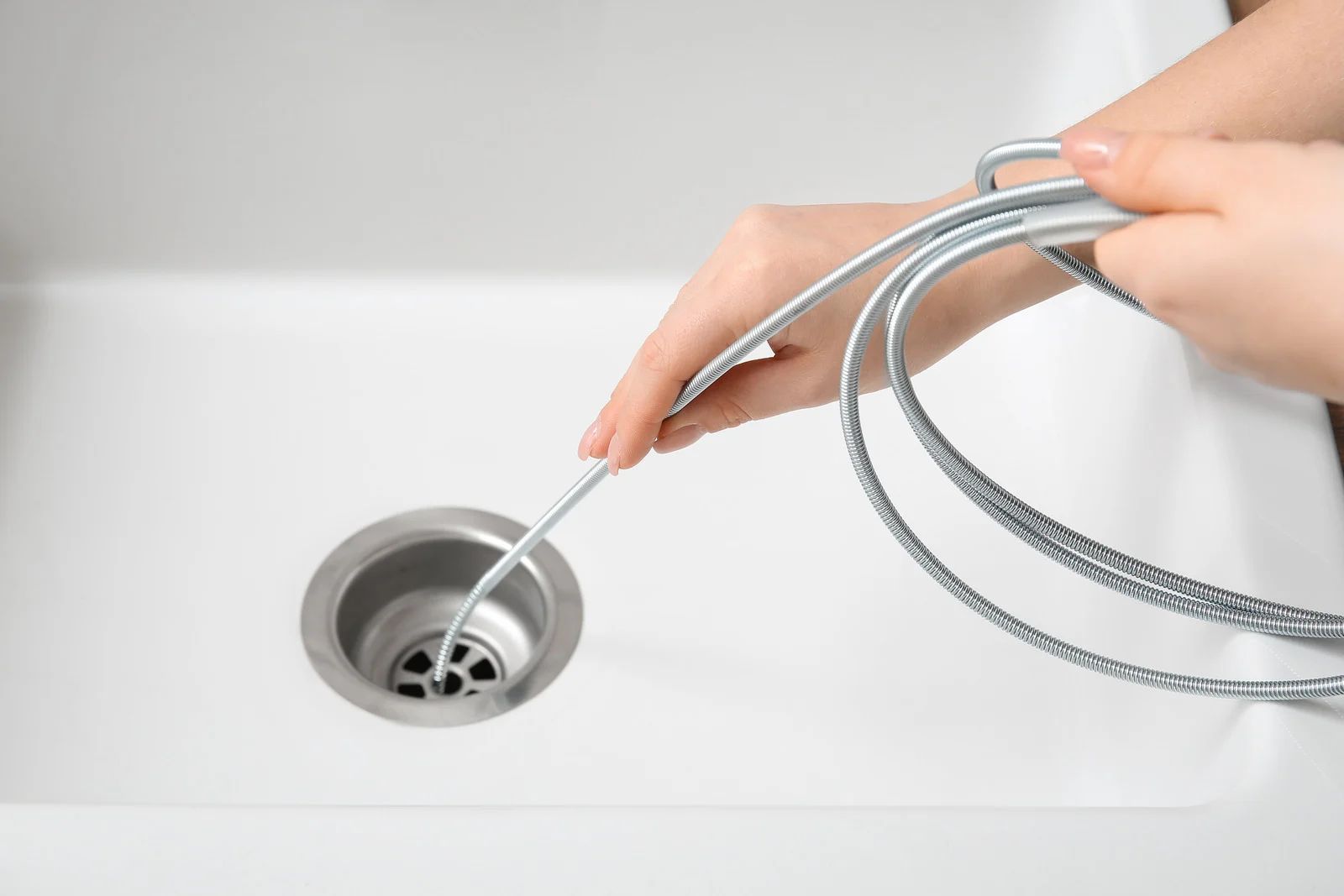
Professional drain cleaning removes accumulated debris that household methods often miss. Unlike temporary solutions that address only part of a blockage, thorough cleaning restores pipe capacity and helps prevent future issues.
- Benefits include:
- Improved drainage speed
- Reduced odors
- Fewer backups
- Extended pipe lifespan
- Lower repair costs
Regular maintenance helps preserve overall plumbing system health.
When to Seek Professional Assistance
Certain signs indicate the need for professional evaluation.
These include:
- Frequent recurring clogs
- Multiple clogged fixtures
- Sewage odors
- Water backups
- Persistent slow drainage
Ignoring these symptoms can allow minor problems to develop into costly repairs.
Partner With Experienced Professionals for Healthier Drains
Drain clogs rarely occur without warning. In most cases, recurring blockages result from gradual accumulation of grease, soap scum, hair, mineral deposits, and materials that should never enter a plumbing system. While many people focus on clearing a clog after it develops, long-term success depends on understanding why the blockage formed in the first place. Identifying common causes allows property owners to make informed decisions that reduce strain on pipes and improve overall drainage performance.
For homeowners and businesses seeking dependable plumbing expertise, Patrick David Plumbing
in Pittsburgh, PA, provides trusted solutions backed by 12
years of industry experience. We understand how recurring drain clogs affect daily comfort, property maintenance, and plumbing performance. Our commitment to quality workmanship, accurate diagnostics, and long-term solutions allows us to address the root
causes of drainage problems rather than offering temporary fixes. Whether dealing with grease buildup, soap accumulation, hair blockages, or improper drain use, we provide professional guidance and reliable service designed to protect plumbing systems and help prevent future issues. Our experience, attention to detail, and customer-focused approach make us a dependable resource for maintaining healthy, efficient drains.