
Common Plumbing Challenges for Businesses — How to Avoid Costly Disruptions
March 17, 2026

Plumbing systems are the backbone of every commercial facility, yet they are often overlooked until a problem disrupts operations. From restaurants and retail stores to office buildings and healthcare facilities, businesses rely on consistent water supply, efficient drainage, and properly functioning fixtures to maintain productivity and customer satisfaction. When plumbing challenges arise, they rarely remain minor. A clogged drain, hidden leak, or malfunctioning water heater can quickly escalate into operational delays, health hazards, property damage, and unexpected expenses. For business owners and facility managers, understanding common plumbing challenges is not just about maintenance—it is about protecting revenue, reputation, and regulatory compliance. In many industries, plumbing failures can also trigger safety violations, failed inspections, or temporary closures that impact long-term profitability. What may begin as a small oversight can quickly develop into a costly emergency repair requiring immediate attention and significant financial investment.
In today’s competitive environment, even brief disruptions can result in lost customers and strained employee workflows. Commercial plumbing systems are more complex and heavily used than residential systems, which increases the likelihood of wear and failure. Preventative planning, routine inspections, and informed decision-making are essential to minimize downtime. By identifying the most frequent commercial plumbing issues and implementing proactive strategies, businesses can avoid costly disruptions and maintain smooth, uninterrupted operations. Establishing a structured maintenance plan also improves budgeting accuracy by reducing unexpected repair costs. Moreover, proactive plumbing management enhances workplace safety, supports sustainability goals through water conservation, and strengthens overall operational resilience. Businesses that treat plumbing infrastructure as a strategic asset rather than a reactive expense position themselves for long-term stability and growth.
1. Clogged Drains and Sewer Line Blockages
Heavy Usage and System Strain
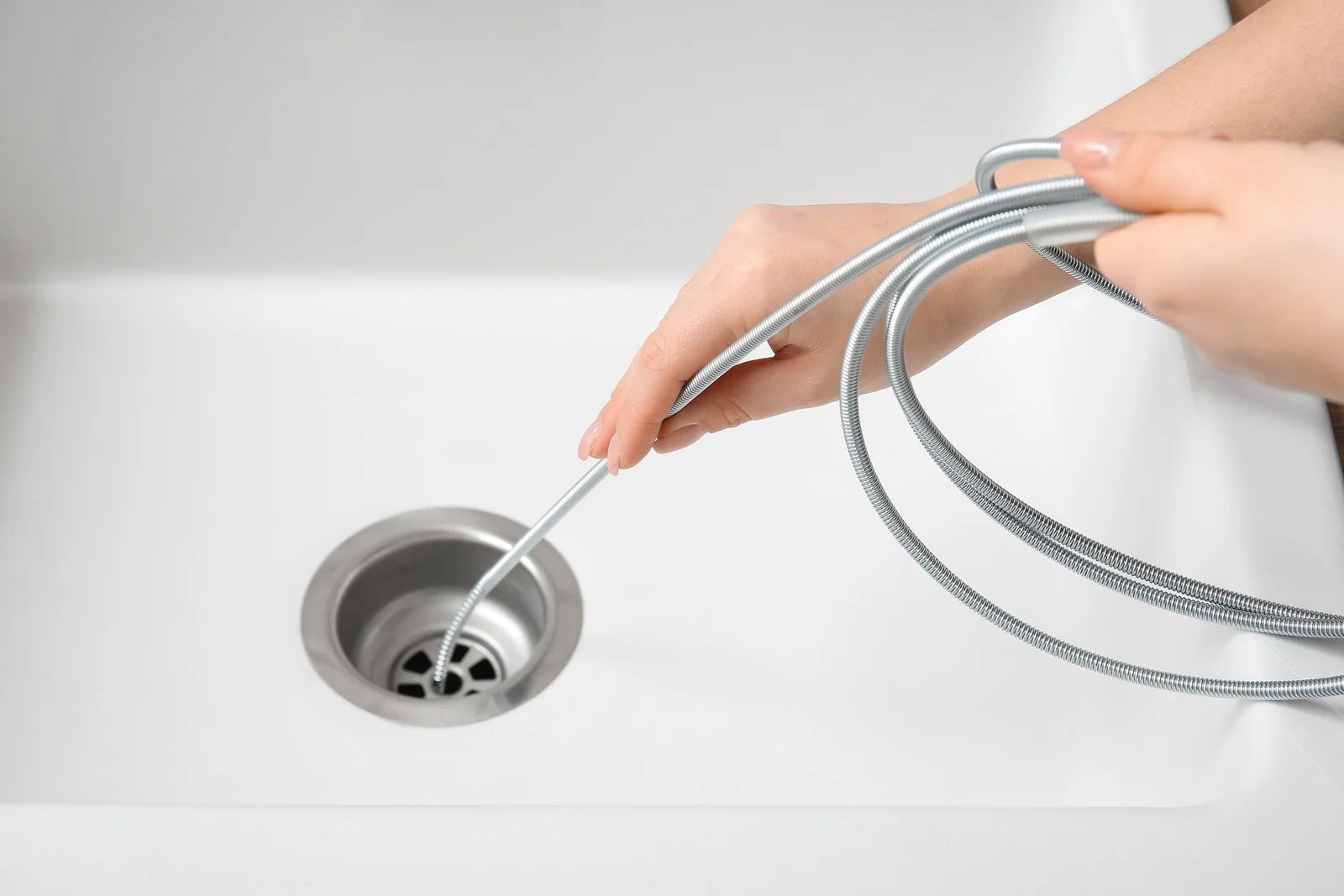
One of the most common plumbing challenges for businesses is clogged drains and sewer line blockages. Commercial properties typically experience far greater water usage than residential buildings. Restaurants dispose of grease and food debris, office buildings rely on high-traffic restrooms, and manufacturing facilities often discharge process-related waste. Over time, this heavy usage places significant strain on drainage systems.
Grease, soap residue, paper products, and foreign objects accumulate within pipes, restricting water flow. Without routine maintenance, minor obstructions can evolve into complete blockages. A backed-up drain during peak business hours can halt operations, create unsanitary conditions, and drive customers away.
Warning Signs and Prevention Strategies
Early warning signs include slow drainage, gurgling sounds in pipes, foul odors, and recurring clogs. Addressing these signals promptly can prevent larger sewer line failures. Best practices include:
- Scheduling routine professional drain cleaning.
- Installing grease traps in food service establishments.
- Educating staff about proper disposal procedures.
- Conducting periodic sewer camera inspections.
For example, a restaurant that invests in quarterly hydro jetting services significantly reduces the risk of emergency shutdowns caused by grease buildup. Proactive drain maintenance not only prevents disruptions but also extends the life of the plumbing system.
2. Hidden Leaks and Water Damage
The Financial and Structural Impact- Hidden leaks represent another major plumbing risk for businesses. Unlike visible pipe bursts, concealed leaks behind walls, under floors, or within ceilings can persist undetected for weeks or months. During this time, water damage may compromise structural components, weaken drywall, damage inventory, and foster mold growth.
Beyond physical damage, water loss increases utility bills and contributes to unnecessary operational costs. In large commercial buildings, even a small, continuous leak can waste thousands of gallons annually. Insurance claims related to water damage often involve extensive repair timelines, further disrupting daily operations.
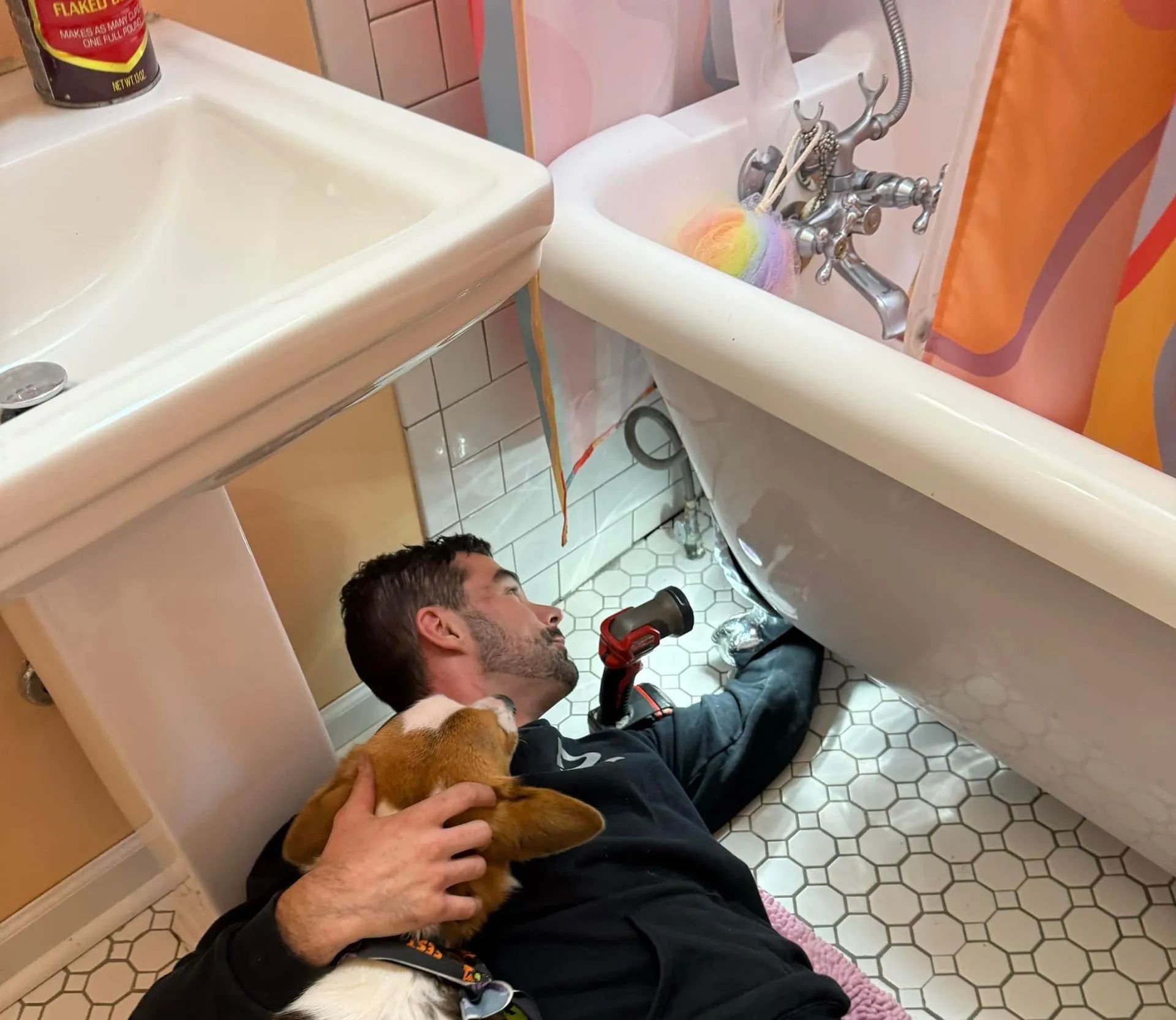
Detection Methods and Risk Mitigation:- Modern leak detection technologies have made early identification more accessible. Acoustic sensors, infrared imaging, and smart water monitoring systems help detect irregular water usage patterns. Businesses should implement:
Routine plumbing inspections.
Water meter monitoring to identify unexplained spikes.
Installation of automatic shutoff valves.
Immediate repairs when leaks are discovered.
Consider an office building that notices a gradual rise in water expenses. A professional inspection reveals a concealed pipe leak above the ceiling grid. Addressing the issue promptly prevents mold remediation costs and protects tenant satisfaction. Preventative leak detection reduces long-term expenses and preserves property integrity.
3. Water Heater Failures and Inconsistent Hot Water Supply
Operational Disruptions Across Industries
Commercial water heaters are essential for many industries, including hospitality, healthcare, food service, and fitness centers. A malfunctioning water heater can disrupt sanitation standards, violate health codes, and create customer dissatisfaction.
Commercial units endure significant demand, often operating continuously throughout the day. Sediment buildup, worn heating elements, and aging components reduce efficiency and increase the risk of sudden failure. Inconsistent hot water supply can halt restaurant dishwashing operations or compromise sanitation protocols in medical settings.
Maintenance and Replacement Planning
Preventative maintenance is critical to ensuring reliable performance. Businesses should:
- Schedule annual flushing to remove sediment.
- Inspect heating elements and thermostats regularly.
- Monitor water pressure and temperature consistency.
- Replace aging systems before catastrophic failure.
Proactive replacement planning is particularly important. Waiting until a unit fails completely may result in emergency service premiums and extended downtime. Upgrading to energy-efficient commercial water heaters can reduce utility costs while improving reliability. Investing in maintenance ensures uninterrupted operations and compliance with industry regulations.
4. Pipe Corrosion and Aging Infrastructure
Long-Term Deterioration Risks
Older commercial buildings often face challenges related to aging plumbing infrastructure. Over time, pipes corrode due to mineral content, chemical exposure, and environmental factors. Corrosion weakens pipe walls, increases the likelihood of leaks, and contaminates water supply.
Businesses operating in older facilities may encounter recurring leaks, discolored water, and declining water pressure. These issues not only disrupt operations but may also impact customer perception and regulatory compliance.
Strategic Upgrades and Preventative Measures
A comprehensive plumbing assessment can determine whether repiping or partial system upgrades are necessary. Strategies include:
- Conducting water quality testing.
- Replacing outdated galvanized steel pipes with modern materials.
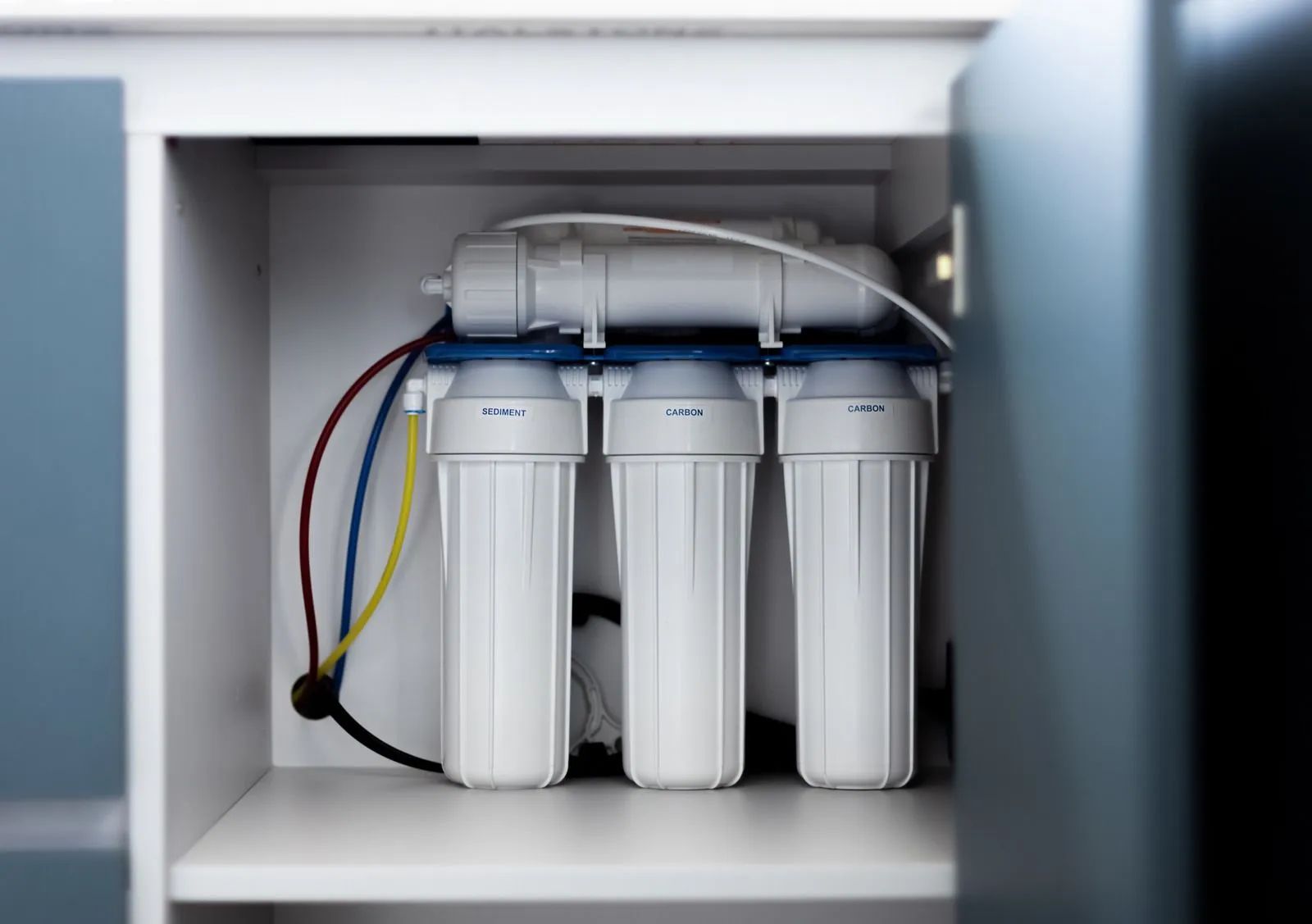
- Installing water softening systems where mineral buildup is prevalent.
- Implementing routine inspections to detect early signs of corrosion.
For instance, a commercial property that proactively replaces aging pipes avoids repeated repair costs and unexpected closures. Although infrastructure upgrades require upfront investment, they provide long-term savings and operational stability.
5. Backflow and Contamination Risks
Protecting Public Health and Compliance
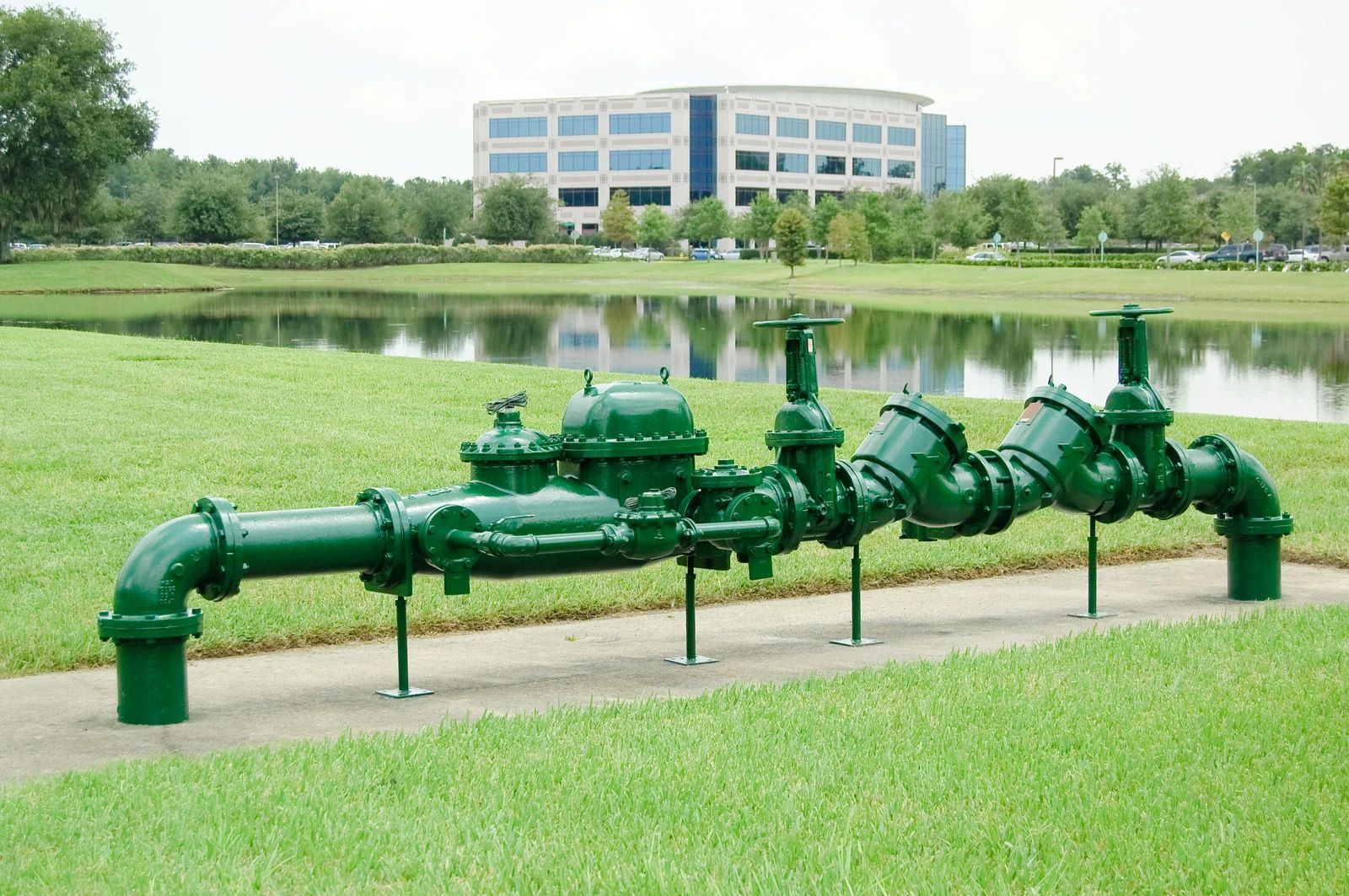
Backflow occurs when contaminated water reverses direction and enters the clean water supply. This issue poses significant health risks and can result in serious regulatory violations. Commercial properties with irrigation systems, boilers, or industrial equipment are particularly susceptible.
Many municipalities require annual backflow testing to ensure compliance with local codes. Failure to maintain backflow prevention devices may lead to fines or mandatory shutdowns.
Testing, Certification, and Ongoing Monitoring
Businesses must prioritize:
- Annual backflow prevention testing.
- Installation of approved backflow prevention assemblies.
- Documentation of compliance records.
- Immediate repair or replacement of malfunctioning devices.
A retail facility that neglects backflow testing risks contamination events that harm customers and employees. Regular inspections and certified testing safeguard water quality and demonstrate a commitment to public safety. Maintaining compliance protects both operational continuity and brand reputation.
6. Restroom Fixture Failures and High Traffic Wear
The Impact of Public Usage:- Commercial restrooms endure heavy daily traffic. Constant use accelerates wear on faucets, toilets, flush valves, and sinks. Malfunctioning fixtures lead to water waste, unsanitary conditions, and customer dissatisfaction.
A single leaking toilet in a high-traffic environment can waste hundreds of gallons of water per day. Broken fixtures may also result in safety hazards, such as slippery floors.
Preventative Maintenance and Modern Solutions- Routine restroom inspections help identify issues before they escalate. Best practices include:
- Installing touchless fixtures to reduce wear and improve hygiene.
- Conducting weekly inspections of high-use restrooms.
- Replacing worn components promptly.
- Monitoring water usage data for anomalies.
For example, a shopping center that upgrades to sensor-operated faucets reduces water consumption and minimizes maintenance calls. Investing in durable, commercial-grade fixtures ensures reliability and enhances customer experience.
Experienced Professionals Safeguarding Your Commercial Plumbing
Commercial plumbing challenges are inevitable, but costly disruptions are not. From clogged drains and hidden leaks to aging infrastructure and backflow risks, businesses face a range of potential vulnerabilities. The difference between minor inconvenience and major operational shutdown often lies in proactive planning and professional oversight. Routine inspections, preventative maintenance, and strategic upgrades significantly reduce downtime and protect financial stability.
A well-maintained plumbing system supports employee productivity, regulatory compliance, and customer satisfaction. Ignoring early warning signs or delaying necessary repairs can lead to expensive consequences. By understanding common plumbing risks and implementing practical solutions, businesses can maintain efficient operations and safeguard their facilities against avoidable setbacks.
Patrick David Plumbing, located in Pittsburgh, PA, brings 12
years of professional experience serving commercial clients with precision and reliability. Businesses across the region rely on their expertise to address complex plumbing challenges before they escalate into costly emergencies. With a strong understanding of commercial systems, regulatory standards, and preventative maintenance strategies, Patrick David Plumbing
provides tailored solutions that protect operations and extend system longevity. Their commitment to quality workmanship, prompt response, and transparent communication makes them a trusted authority in commercial plumbing services. Whether handling routine inspections, system upgrades, or urgent repairs, they prioritize operational continuity and long-term performance. For businesses seeking dependable plumbing expertise in Pittsburgh, Patrick David Plumbing
stands as a proven partner dedicated to minimizing disruptions and maximizing efficiency.