
10 Signs Your Home Plumbing Needs Attention — What Every Homeowner Should Know
February 12, 2026
Your home’s plumbing system works quietly behind the walls, under floors, and beneath foundations—until something goes wrong. From delivering clean water to removing waste safely, plumbing is essential to daily comfort, hygiene, and property value. Yet many homeowners overlook early warning signs that indicate underlying problems. What starts as a minor inconvenience, such as a slow drain or a faint water stain, can quickly escalate into costly damage if left unaddressed. Recognizing these signals early is not just about preventing emergencies; it is about protecting your investment and ensuring long-term efficiency.
In today’s housing landscape, rising utility costs, aging infrastructure, and increasingly complex plumbing systems make proactive maintenance more important than ever. Small issues can signal deeper concerns such as hidden leaks, pipe corrosion, sewer line blockages, or pressure imbalances. Understanding the signs your home plumbing needs attention empowers you to act before minor repairs become major disruptions. This guide outlines ten critical indicators every homeowner should know, along with practical insights to help you make informed decisions and maintain a reliable, efficient plumbing system.
1. Persistent Leaks and Water Damage
Dripping Faucets and Running Toilets
A constantly dripping faucet may seem harmless, but even a slow drip can waste thousands of gallons of water annually. Running toilets are another common issue that often goes unnoticed because the sound becomes familiar. Beyond higher water bills, these problems signal worn-out internal components, deteriorating seals, or pressure irregularities within the system.
Ignoring such issues allows further wear on fixtures and increases strain on connected pipes. Timely repairs not only conserve water but also extend the life of your plumbing infrastructure.
Water Stains and Damp Spots
Water stains on ceilings, bubbling paint, or warped flooring often point to hidden pipe leaks. These signs indicate that moisture has been accumulating for some time. In many cases, the leak may originate from supply lines behind walls or drain pipes beneath floors.
Unchecked moisture creates structural damage and encourages mold growth, which poses health risks. Early detection and professional inspection can prevent extensive restoration costs and preserve your home's integrity.
2. Slow or Frequently Clogged Drains
- Gradual Drainage Problems-
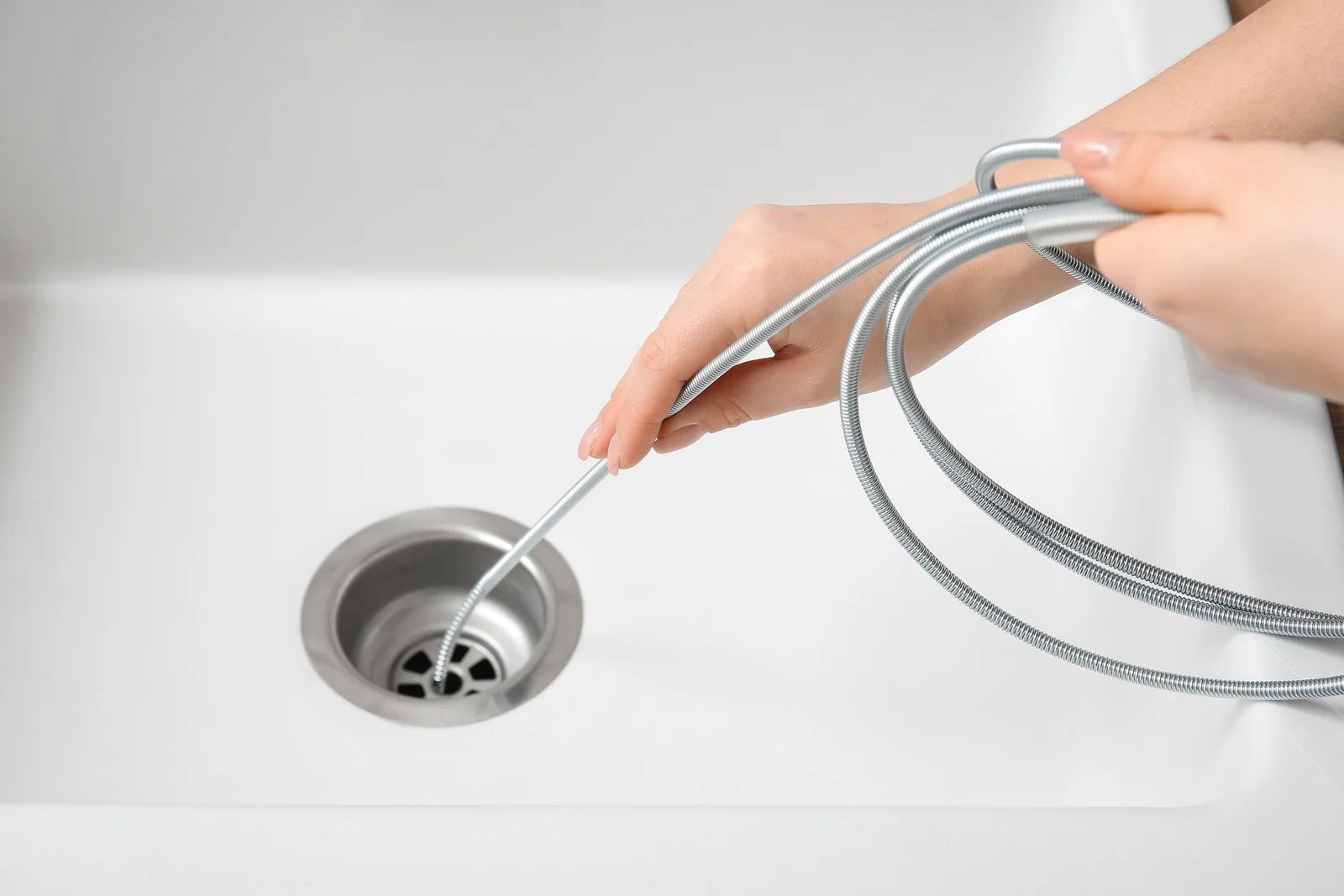
If sinks, bathtubs, or showers begin draining slowly, it typically signals buildup within the pipes. Soap residue, hair, grease, and debris accumulate over time, restricting water flow. While occasional clogs may be resolved with simple cleaning methods, recurring issues suggest deeper blockages within the drainage system.
Homeowners should avoid relying on harsh chemical cleaners, as they can corrode pipes and worsen long-term damage. Mechanical cleaning or professional drain inspection is often the safest and most effective solution.
- Multiple Fixtures Backing Up:- When more than one drain backs up simultaneously, the problem likely extends beyond a single fixture. This situation often indicates a main sewer line obstruction. Tree root intrusion, collapsed pipes, or heavy debris buildup can restrict wastewater flow, causing backups inside the home.
Addressing this early prevents sewage overflow, which can result in significant health hazards and property damage. Sewer line evaluations using camera inspections provide accurate diagnostics and targeted repair solutions.
3. Unusual Sounds in Pipes
Banging or Knocking (Water Hammer)
Loud banging noises when turning off faucets often result from water hammer—a sudden pressure surge that causes pipes to vibrate. Over time, this stress can loosen fittings and joints, increasing the risk of leaks.
Installing pressure regulators or air chambers can mitigate these effects. If left unresolved, water hammer may contribute to pipe damage behind walls, leading to hidden leaks.
Gurgling or Bubbling Noises
Gurgling sounds from drains or toilets typically indicate venting issues or developing blockages in the drainage system. Plumbing vents allow air to circulate and maintain proper pressure. When blocked, air becomes trapped, causing unusual noises and drainage inefficiencies.
These sounds should not be dismissed as minor annoyances. They often serve as early warnings of more serious system imbalances that require professional evaluation.
4. Fluctuating Water Pressure
Sudden Drops in Pressure
A noticeable reduction in water pressure can stem from mineral buildup, pipe corrosion, or concealed leaks. Homes with older galvanized pipes are particularly susceptible to internal narrowing caused by rust and scale accumulation.
Low pressure affects daily routines such as showering and washing dishes, but it also signals compromised pipe integrity. Identifying the root cause early can prevent pipe bursts or major failures.
Inconsistent Pressure Throughout the Home
If water pressure varies between fixtures or fluctuates throughout the day, the issue may involve supply line obstructions or pressure regulator malfunctions. In some cases, municipal supply changes may contribute, but persistent inconsistencies typically indicate internal plumbing concerns.
Maintaining stable water pressure protects appliances like dishwashers and water heaters from unnecessary strain, improving overall system efficiency.
5. Discolored or Foul-Smelling Water
Brown or Rust-Colored Water
Water that appears brown or rusty often indicates pipe corrosion. In aging plumbing systems, deteriorating metal pipes can shed rust particles into the water supply. While occasional discoloration may occur after maintenance work, persistent discoloration warrants immediate attention.
Replacing corroded pipes enhances water quality and reduces the risk of leaks caused by weakened materials.
Unpleasant Odors from Taps
Foul smells in tap water can signal bacterial growth in pipes or issues with the water heater. In some cases, sewer gas odors may result from dry or damaged drain traps.
Prompt investigation ensures safe, clean water for household use. Addressing odor issues early prevents contamination concerns and restores confidence in your water supply.
6. Increased Water Bills Without Clear Cause
Hidden Leaks and Continuous Flow:- An unexplained spike in water bills often indicates a concealed leak. Underground pipe leaks or small fixture malfunctions may go unnoticed for months while steadily increasing consumption.
Monitoring monthly usage patterns helps identify anomalies early. Leak detection services can pinpoint hidden problems without invasive property damage.
Efficiency Loss in Older Systems- Older plumbing systems may become less efficient over time due to internal wear, scaling, or outdated fixtures. Upgrading to water-efficient fixtures and modern piping materials not only reduces utility costs but also enhances system reliability.
Investing in preventive maintenance delivers long-term savings and minimizes emergency repair risks.
7. Mold Growth and Persistent Moisture
Hidden Pipe Leaks Behind Walls
Mold growth near baseboards, cabinets, or ceilings often stems from slow, undetected leaks. Plumbing lines concealed within walls can leak gradually, creating damp environments ideal for mold development.
Professional moisture detection tools can identify leak sources without unnecessary demolition. Addressing leaks promptly prevents structural deterioration and health complications.
Musty Odors in Bathrooms or Basements
Persistent musty smells typically signal ongoing moisture problems. Bathrooms and basements are especially vulnerable due to high humidity levels and nearby plumbing lines.
Proper ventilation, leak repairs, and routine inspections help eliminate moisture-related risks and maintain a healthy indoor environment.
8. Aging Plumbing Infrastructure
Outdated Pipe Materials
Homes built decades ago may contain galvanized steel or polybutylene piping, both prone to failure over time. Aging materials increase the likelihood of leaks, corrosion, and reduced water quality.
A proactive plumbing assessment can determine whether repiping is necessary. Upgrading materials enhances durability and ensures compliance with modern standards.
Frequent Repairs as a Warning Sign
If plumbing repairs become increasingly common, it may signal that the system is reaching the end of its lifespan. Continual patchwork fixes often cost more in the long run than strategic replacement.
Evaluating long-term solutions reduces ongoing expenses and strengthens overall system reliability.
9. Water Heater Performance Issues
Inconsistent Hot Water Supply:- Fluctuating water temperatures or insufficient hot water often indicate sediment buildup inside the tank. Over time, mineral deposits reduce heating efficiency and strain heating elements.
Regular flushing and maintenance extend the lifespan of the water heater and improve energy efficiency.
Leaks Around the Unit- Water pooling around the base of a water heater suggests valve failure, tank corrosion, or connection issues. Because water heaters operate under pressure, even minor leaks should be addressed immediately.
Early intervention prevents sudden tank rupture and costly water damage.
10. Foundation Cracks and Exterior Warning Signs
Water Pooling Around the Home
Excessive water near the foundation may result from leaking underground pipes or drainage system failures. Over time, persistent moisture can compromise structural stability.
Proper grading, drainage solutions, and plumbing inspections help safeguard the foundation from water intrusion.
Cracks in Walls or Floors
Unexpected cracks may sometimes relate to plumbing leaks eroding soil beneath the home. Slab leaks, in particular, can cause shifting foundations and structural damage.
Prompt professional assessment ensures accurate diagnosis and prevents extensive structural repairs.
Trusted Local Plumbing Professionals You Can Rely On
Your home’s plumbing system provides essential functionality that supports everyday living, yet it often receives attention only when problems become urgent. From subtle leaks and pressure fluctuations to discolored water and structural warning signs, early indicators offer valuable opportunities for prevention. For homeowners seeking dependable plumbing expertise, Patrick David Plumbing
in Pittsburgh, PA stands as a trusted authority with 12
years of hands-on experience. Known for professionalism, precision, and a strong commitment to customer satisfaction, the company delivers comprehensive
plumbing inspections, repairs, and system upgrades tailored to each property’s needs. Whether addressing persistent leaks, diagnosing sewer line issues, improving water pressure, or upgrading aging infrastructure, their team approaches every project with technical expertise and attention to detail. With a deep understanding of residential plumbing systems and a reputation built on reliability, Patrick David Plumbing
provides homeowners with peace of mind and long-term solutions. When plumbing warning signs appear, having an experienced, knowledgeable professional ensures your home remains safe, efficient, and protected for years to come.