Commercial Plumbing vs. Residential Plumbing: What’s the Difference?
December 13, 2025
Plumbing is a vital component of any building, ensuring that water supply, drainage, and waste management systems operate efficiently. Yet, despite its universal importance, plumbing is not a one-size-fits-all trade. The demands of residential plumbing are often distinct from those of commercial plumbing, with each requiring specific skills, tools, and approaches. Understanding the differences between the two is crucial for building owners, property managers, and homeowners alike, as it helps in making informed decisions regarding installation, maintenance, and repairs. Mistaking one for the other can lead to costly mistakes, system failures, and regulatory issues.
Residential plumbing typically focuses on homes, apartments, and small-scale properties, emphasizing convenience, safety, and daily functionality for a limited number of users. Commercial plumbing, on the other hand, serves offices, industrial facilities, restaurants, hospitals, and other large-scale buildings, often dealing with high-volume water usage, complex systems, and strict compliance standards. This blog explores the key differences between commercial and residential plumbing, offering insights into their unique requirements, challenges, and best practices, helping property owners and facility managers navigate these essential services effectively.
Key Differences Between Commercial and Residential Plumbing
Scale and System Complexity
Residential Plumbing Systems
Residential plumbing systems are designed to accommodate the water usage and drainage needs of a household. These systems are generally smaller in scale, serving a limited number of bathrooms, kitchens, laundry areas, and outdoor water features. Common materials include PVC, copper, and PEX pipes, which are relatively easy to install and replace. Home plumbing is usually straightforward, making it simpler for technicians to troubleshoot and repair issues.
Commercial Plumbing Systems
Commercial plumbing involves larger, more complex systems designed to handle high water volumes and accommodate many users simultaneously. In office buildings, shopping centers, and industrial facilities, plumbing must support multiple restrooms, kitchens, water fountains, HVAC systems, and fire suppression systems. The complexity of commercial systems often requires specialized design, heavy-duty piping materials like cast iron or steel, and sophisticated pressure management to ensure consistent performance.
Why It Matters
Understanding system scale is essential when hiring a plumber or planning an installation. Residential plumbing mistakes may be inconvenient, but commercial plumbing failures can disrupt business operations, violate health codes, and lead to significant financial losses.
Regulations and Compliance Requirements
- Residential Plumbing Codes:- Residential plumbing must comply with local building codes and health regulations, ensuring safe water supply, proper drainage, and protection against leaks or contamination. While these codes can be strict, they are generally standardized and relatively straightforward for a professional plumber to follow.
- Commercial Plumbing Codes:- Commercial plumbing faces more rigorous and diverse regulations, including fire safety, ADA compliance, and environmental standards. For example, commercial kitchens and healthcare facilities must adhere to strict sanitation and waste management protocols. Commercial plumbers need in-depth knowledge of these regulations to prevent legal penalties, health hazards, and operational shutdowns.
- Expert Insight:- A licensed commercial plumber is trained to navigate these multifaceted requirements, ensuring that large-scale plumbing systems meet federal, state, and local standards. Failure to comply can have legal, financial, and reputational consequences for businesses.
Types of Equipment and Fixtures
Residential Equipment
In homes, plumbing fixtures are typically smaller and designed for everyday convenience. Standard appliances include sinks, toilets, bathtubs, showers, dishwashers, water heaters, and washing machines. Maintenance is usually straightforward, and parts are widely available, making repairs or replacements easier for both homeowners and technicians.
Commercial Equipment
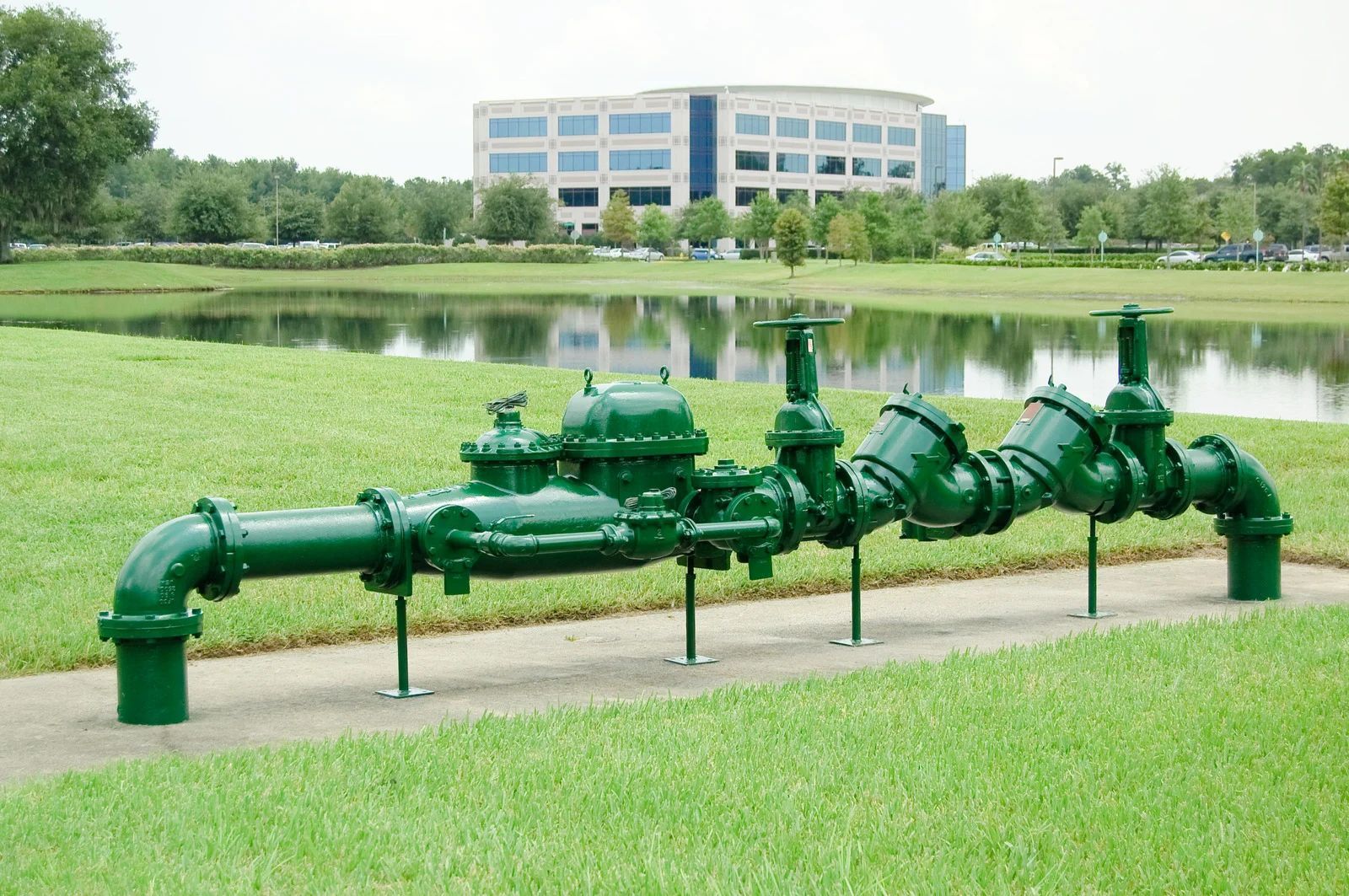
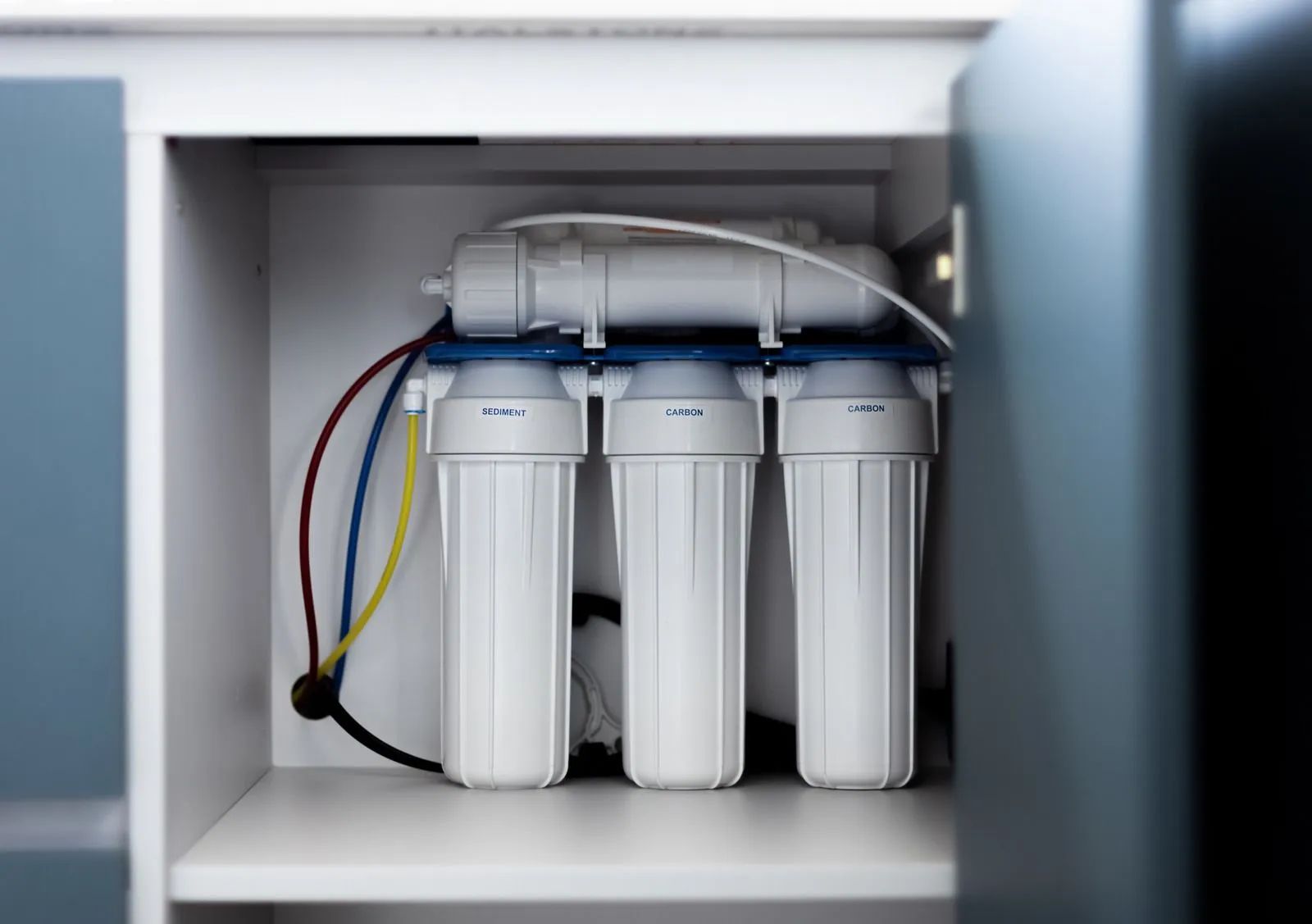
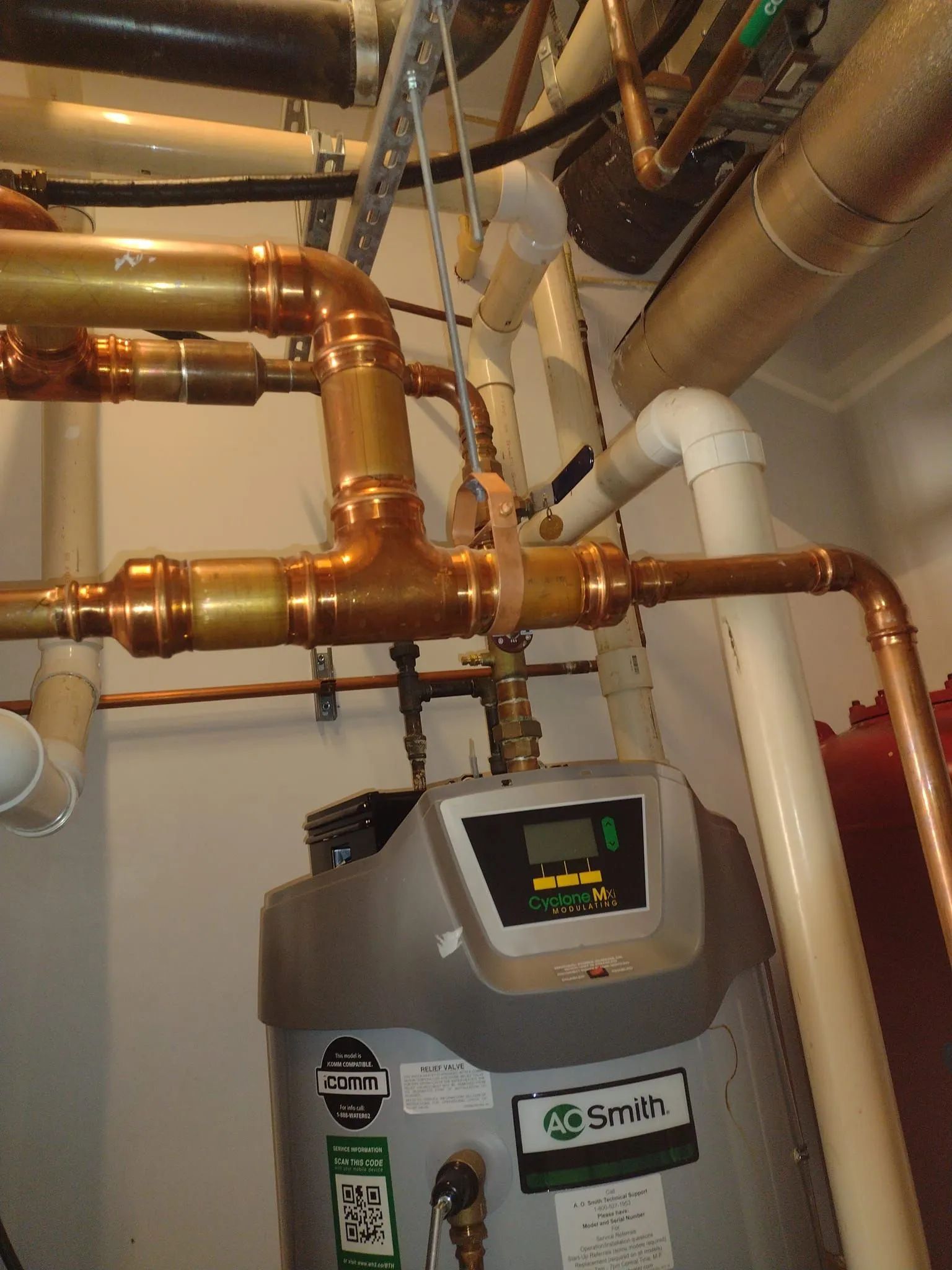
Commercial buildings use specialized equipment to handle high usage and durability requirements. Examples include industrial water heaters, high-capacity boilers, grease traps in restaurants, and large-scale restroom facilities with multiple fixtures per room. Commercial plumbing may also involve complex water filtration systems, backflow preventers, and automated controls.
Practical Implications
Selecting the right equipment is crucial to ensure efficiency and longevity. Residential-grade appliances fail quickly under commercial usage, while commercial systems are overbuilt and costly for small-scale applications. Matching equipment to the environment optimizes performance and reduces maintenance costs.
Installation and Maintenance Challenges
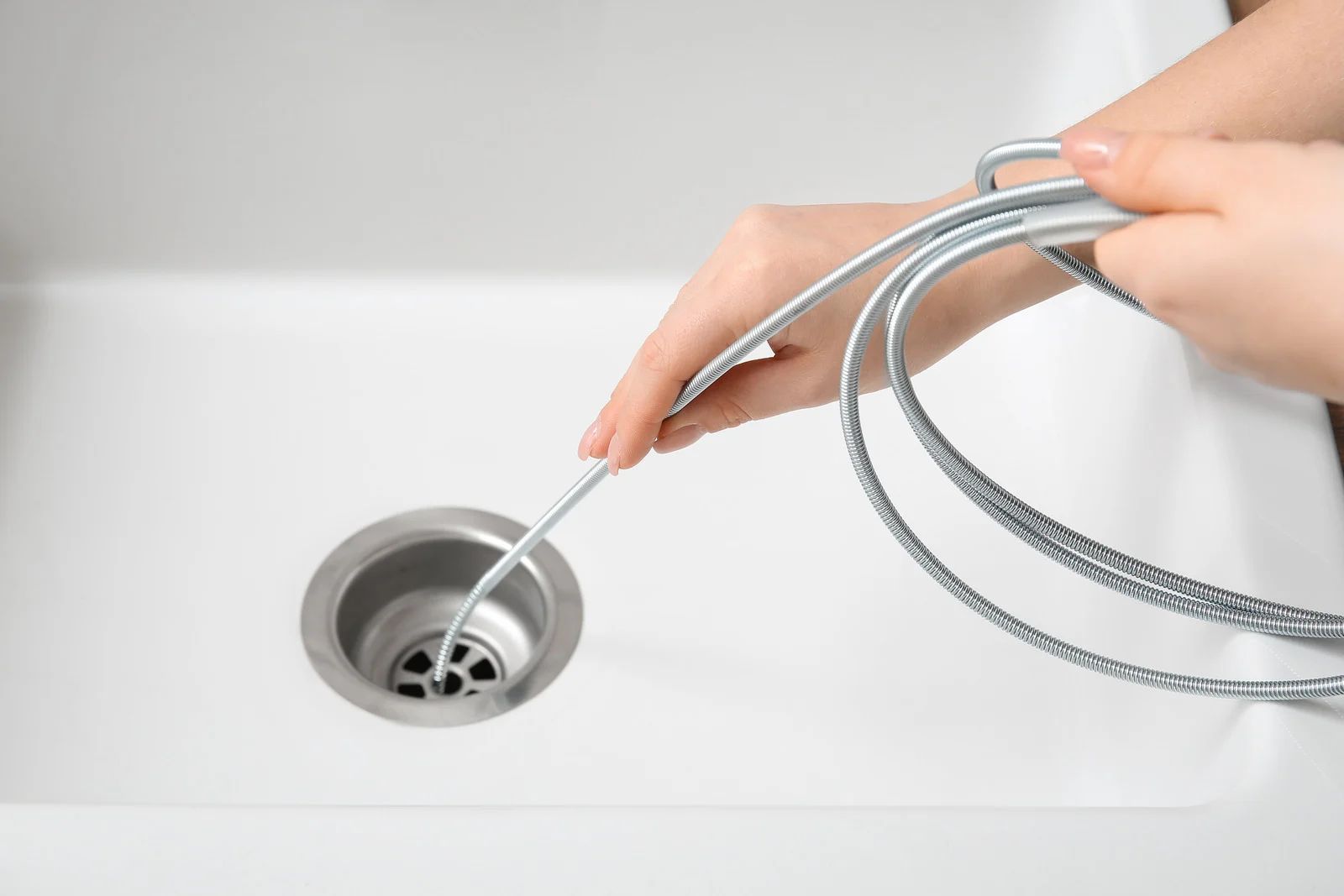
- Residential Installation:- Residential plumbing installations are generally faster and less intrusive. Homeowners can often schedule installations around their routines, and the work area is easier to access. Maintenance typically involves routine inspections, unclogging drains, or repairing leaks—tasks that are manageable for professionals without extensive specialized training.
- Commercial Installation:- Commercial plumbing installation is a highly coordinated process. It often requires planning around business operations, working during off-hours, and managing multiple teams simultaneously. Maintenance challenges include monitoring high-volume water usage, preventing system downtime, and servicing equipment that requires advanced technical skills. Preventive maintenance plans are essential to avoid costly interruptions in commercial settings.
- Case Example:- In a restaurant, failure to maintain grease traps can result in clogged drains, health code violations, and business closure. Similarly, a malfunctioning boiler in a hospital can affect patient care and safety. Commercial plumbers must anticipate these risks and implement proactive maintenance strategies.
Emergency Repairs and Response Times
Residential Emergencies
Residential plumbing emergencies, such as burst pipes or overflowing toilets, are typically localized and easier to contain. Homeowners can often manage minor issues temporarily while waiting for a plumber. Response times are generally flexible, with services available during regular business hours and weekends.
Commercial Emergencies
Commercial plumbing emergencies can have widespread impacts. A leaking pipe in a multi-story office building, for instance, can damage property, disrupt operations, and create liability issues. Rapid response is critical, and many commercial plumbers offer 24/7 emergency services. The ability to quickly assess the situation, shut off water supply, and implement temporary fixes is essential in minimizing downtime and losses.
Industry Insight
Businesses often invest in service contracts with commercial plumbing companies to ensure immediate support during emergencies, reducing the risk of operational disruption and costly repairs.
Cost Considerations
- Residential Plumbing Costs:- Costs in residential plumbing are generally lower due to smaller system sizes, simpler installations, and widely available parts. Homeowners should budget for routine maintenance, occasional repairs, and occasional system upgrades, such as tankless water heaters or modern fixtures.
- Commercial Plumbing Costs:- Commercial plumbing involves higher costs because of system complexity, specialized equipment, and strict regulatory requirements. Installation projects may require significant labor hours, heavy-duty materials, and specialized tools. Regular maintenance and emergency services add to the overall expense but are necessary investments to ensure operational efficiency.
- Balancing Budget and Quality:- While commercial plumbing is costlier, cutting corners can lead to major disruptions. Choosing experienced, licensed professionals ensures compliance, durability, and peace of mind for business owners and facility managers.
Water Conservation and Efficiency Strategies
Residential Water Efficiency
Homeowners are increasingly focused on water conservation to reduce utility bills and support sustainability. Common strategies include low-flow faucets, dual-flush toilets, and water-efficient appliances. Regular inspection of leaks and pipe corrosion also ensures minimal water waste.
Commercial Water Efficiency
Commercial buildings face higher water demand, making efficiency critical for cost savings and regulatory compliance. Installing automated sensors, high-efficiency fixtures, and smart water meters helps manage consumption. Large facilities may also implement greywater recycling and rainwater harvesting to support sustainability goals.
Benefits of Efficiency
Efficient water management reduces operational costs, prolongs the lifespan of plumbing systems, and supports environmental responsibility. Both residential and commercial properties benefit from reduced water waste and lower energy bills.
Technological Advancements in Plumbing
- Smart Home Plumbing:- Residential plumbing is increasingly integrating technology, such as leak detection systems, smart water heaters, and connected irrigation systems. These tools provide homeowners with real-time monitoring and preventive alerts, reducing maintenance costs and potential damage.
- Commercial Plumbing Technology:- Commercial plumbing uses advanced monitoring systems to manage complex networks, detect leaks, and optimize water pressure. Large facilities may employ automated controls, IoT devices, and predictive maintenance software to enhance efficiency and prevent costly disruptions.
- Real-World Application:- Businesses like hotels, hospitals, and office complexes benefit from technology-driven plumbing management, ensuring smooth operations and compliance with industry standards. Homeowners gain convenience and peace of mind through automated alerts and system insights.
Best Practices for Both Residential and Commercial Plumbing
Residential Best Practices
- Schedule regular inspections to identify leaks or corrosion.
- Use high-quality fixtures and piping materials.
- Educate household members on proper drain usage.
- Implement preventative maintenance, including water heater flushing and sewer line checks.
Commercial Best Practices
- Develop a comprehensive maintenance schedule for all plumbing systems.
- Train staff to recognize early signs of plumbing issues.
- Invest in durable equipment designed for high-capacity use.
- Maintain detailed records for regulatory compliance and warranty purposes.
Shared Benefits
Proper maintenance, timely repairs, and quality installations enhance efficiency, extend system lifespan, reduce water waste, and save money in both residential and commercial settings.
Essential Insights into Commercial and Residential Plumbing
Understanding the differences between commercial and residential plumbing is essential for ensuring safe, efficient, and reliable water systems. Residential plumbing focuses on smaller-scale, user-friendly systems, while commercial plumbing involves complex networks designed for high-volume, high-stakes environments. Each type requires unique skills, equipment, and adherence to regulatory standards. Recognizing these distinctions allows property owners, facility managers, and homeowners to make informed decisions regarding installation, maintenance, and emergency responses, ultimately protecting investments and ensuring operational continuity.
For property owners and businesses in Pittsburgh, PA, Patrick David Plumbing
stands out as a trusted authority in both
residential and commercial plumbing. With over 12
years of experience, our team combines technical expertise with hands-on problem-solving to deliver efficient, compliant, and long-lasting plumbing solutions. From routine maintenance to emergency repairs, we understand the unique demands of both home and business environments, ensuring minimal disruption and maximum reliability. We prioritize quality workmanship, regulatory compliance, and customer satisfaction, making us a dependable partner for all your plumbing needs. Whether upgrading fixtures, installing complex systems, or responding to urgent plumbing emergencies, our skilled professionals are ready to provide timely, expert service that protects your property and enhances its value.